How Many Days Do You Need in Meteora?
Spend at least two nights in Meteora to see the monasteries, viewpoints, and hiking trails without rushing. Three days is ideal for the full experience.
Two nights gives Meteora room for its main sights and quieter hours. Compare a compressed Athens day trip, an arranged overnight, or a focused local outing without assuming they deliver the same experience. Choose A Tour For This Itinerary
Last updated: June 28, 2026
Meteora: Time vs. Experience – At a Glance
Use the trip-format selector to match your available time with an Athens day trip, an overnight plan, or a local Meteora outing.
| Day trip from Athens | 2-3 monasteries, panoramic views, hermit caves | Sunset, sunrise, trails, the quiet | Worth it. Not the full experience. |
| 1 night / 2 days | All 6 monasteries, sunset, one trail section | Hiking full circuit, caves, a relaxed pace | Minimum for depth. Doable. |
| 2 nights / 3 days | All above + full hiking day, Theopetra Cave, caves tour, village time | Very little | The sweet spot. Recommended. |
| 3+ nights | Everything, at a pace that lets it settle | Nothing | For travelers who want depth over distance. |
How Many Days in Meteora Is Enough?
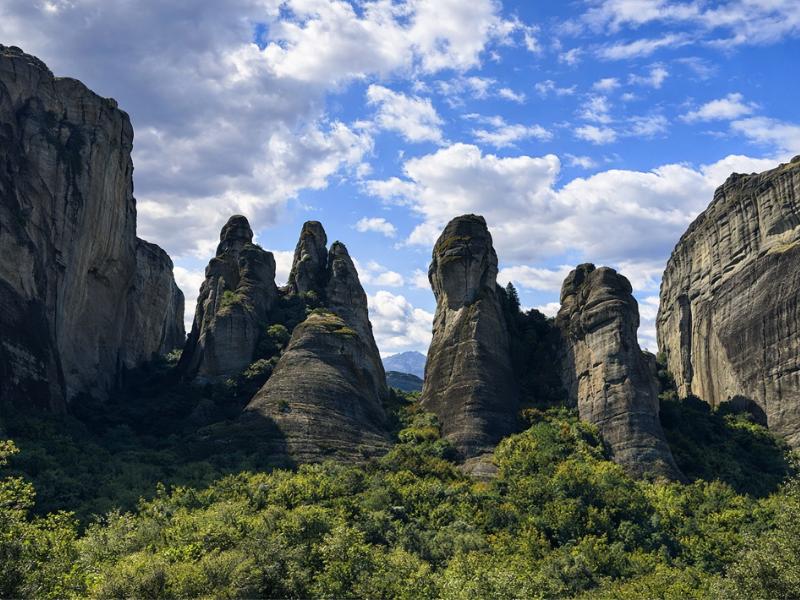
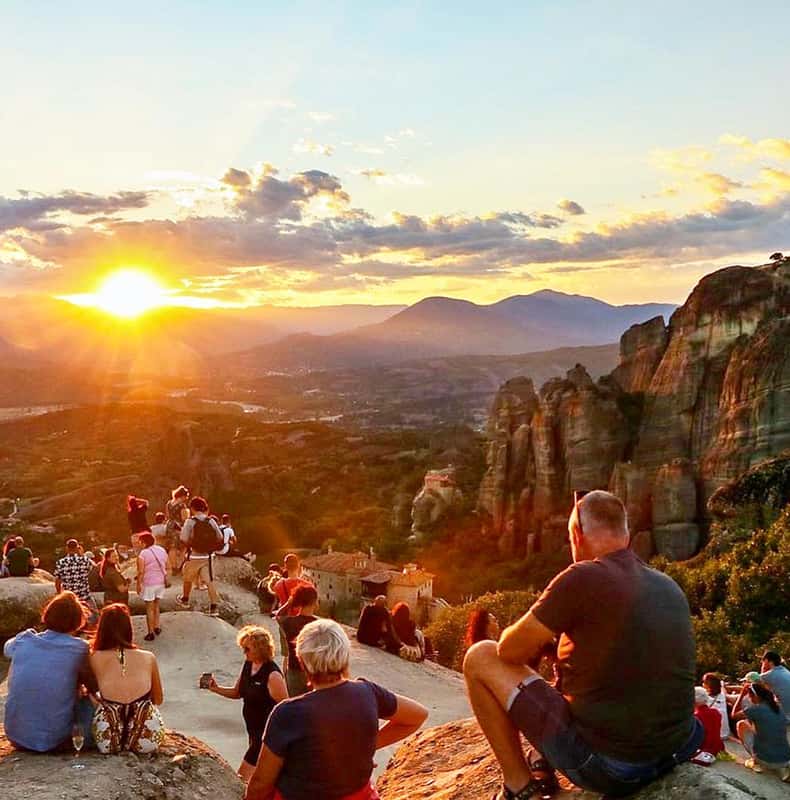
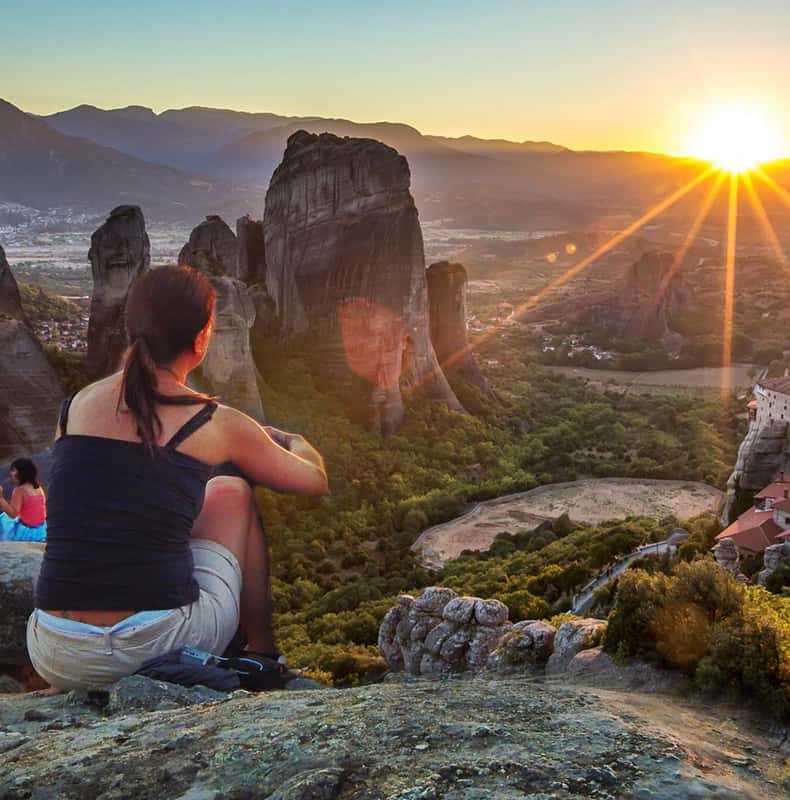
Two nights is the honest minimum. One night is survivable if the itinerary won’t allow more. A day trip from Athens is worth doing if it’s the only option. These are not the same experience. The difference between one day and two nights at Meteora is not just more monasteries; it’s a completely different version of the place. The sunset from the viewpoints, which most day-trippers never see, is the moment that makes people understand what all the photographs have been failing to convey.
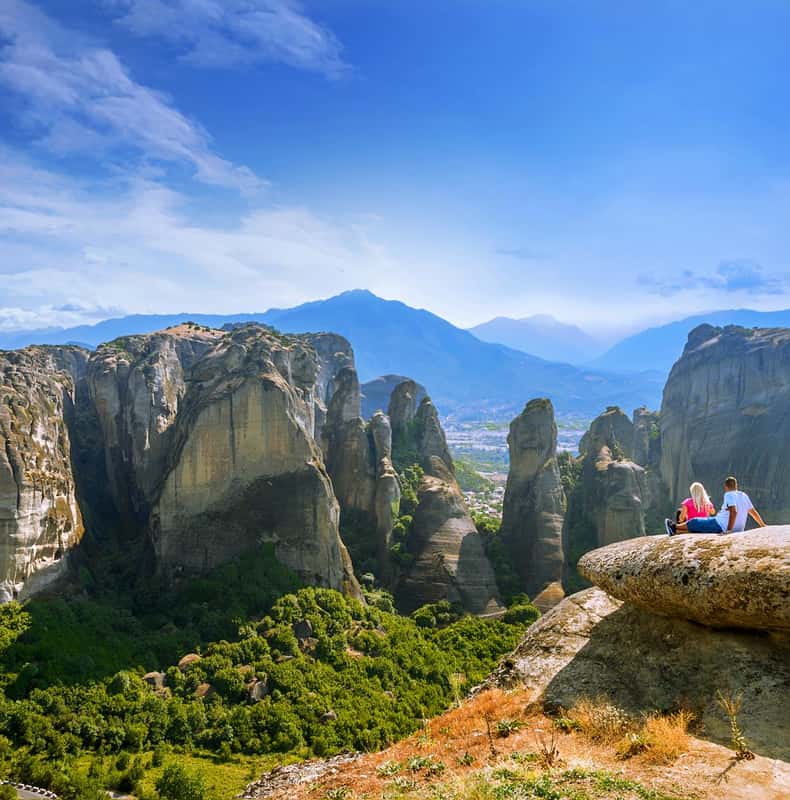
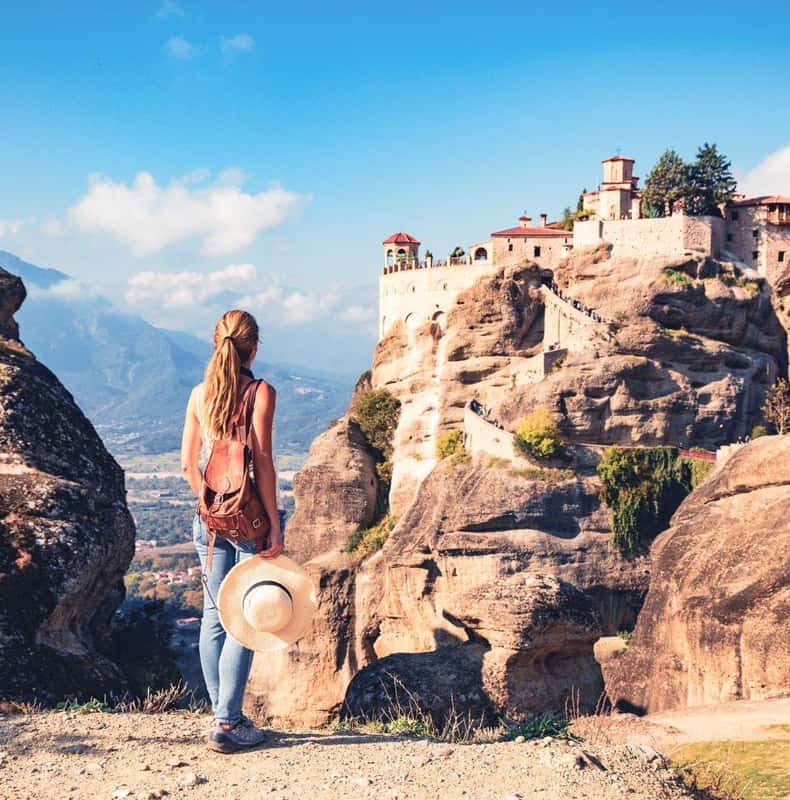
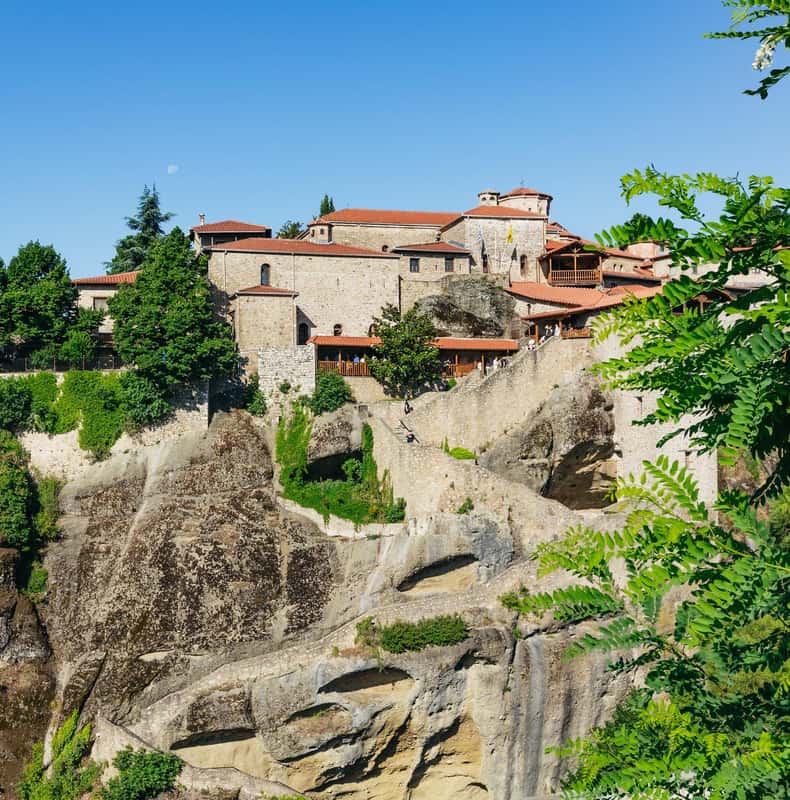
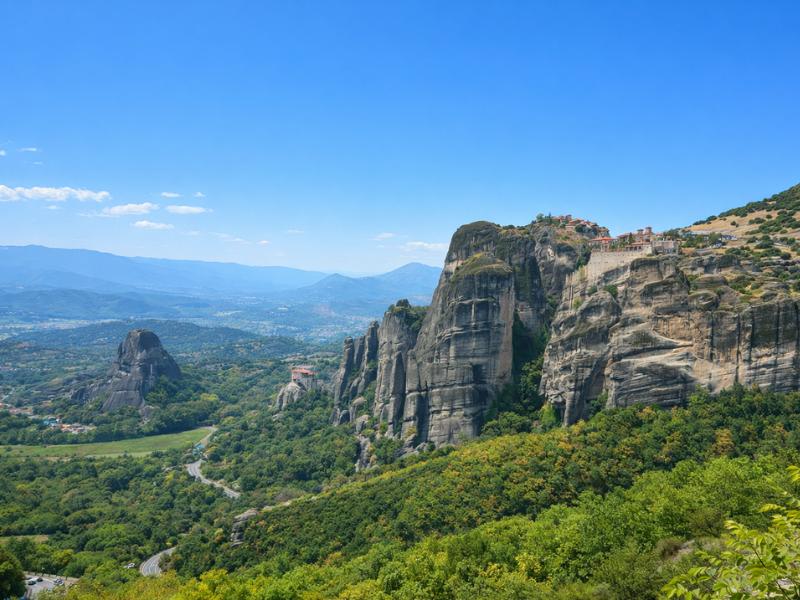
Here is the honest version of what changes with each added night. One day gives you the visual impact: the rocks, the monasteries from below and from inside, the scale that photographs consistently undersell. You leave having seen it. Two nights gives you the light: at least one sunset, possibly a dawn, and the experience of the place when the coach groups have gone and it settles back into something closer to what it actually is. Three nights gives you the landscape beneath the monasteries: the trail network through the rock forest, the hermit caves that predate the buildings by centuries, the Theopetra Cave 7 kilometers away where humans lived 130,000 years ago.
The most common regret we hear from travelers who’ve been here is simple: they didn’t stay long enough. Not that the monasteries weren’t good enough, not that they ran out of things to do, but that they were just getting oriented when it was time to leave. Meteora is not a place that rewards rushing. It is a place that rewards patience and slow movement. The people who come back a second time are nearly always the people who stayed the shortest on the first visit.
If you’re working out how Meteora fits into a Greece trip with limited days, the 2-day experience from Athens includes a hotel stay plus sunset and sunrise, so the overnight piece is already arranged. If a day trip is the only slot that fits, the full-day tour from Athens with a local guide matches the one-day window this page describes.
The logistics here can catch people off guard. This breakdown on how to visit Meteora tours covers transport, timing, and which sites are worth the climb.
Explore an Athens itinerary with a sunset outing and a second guided morning. Hotel options let you bring the overnight stay into the same booking.
What Can You Do in Meteora in One Day?
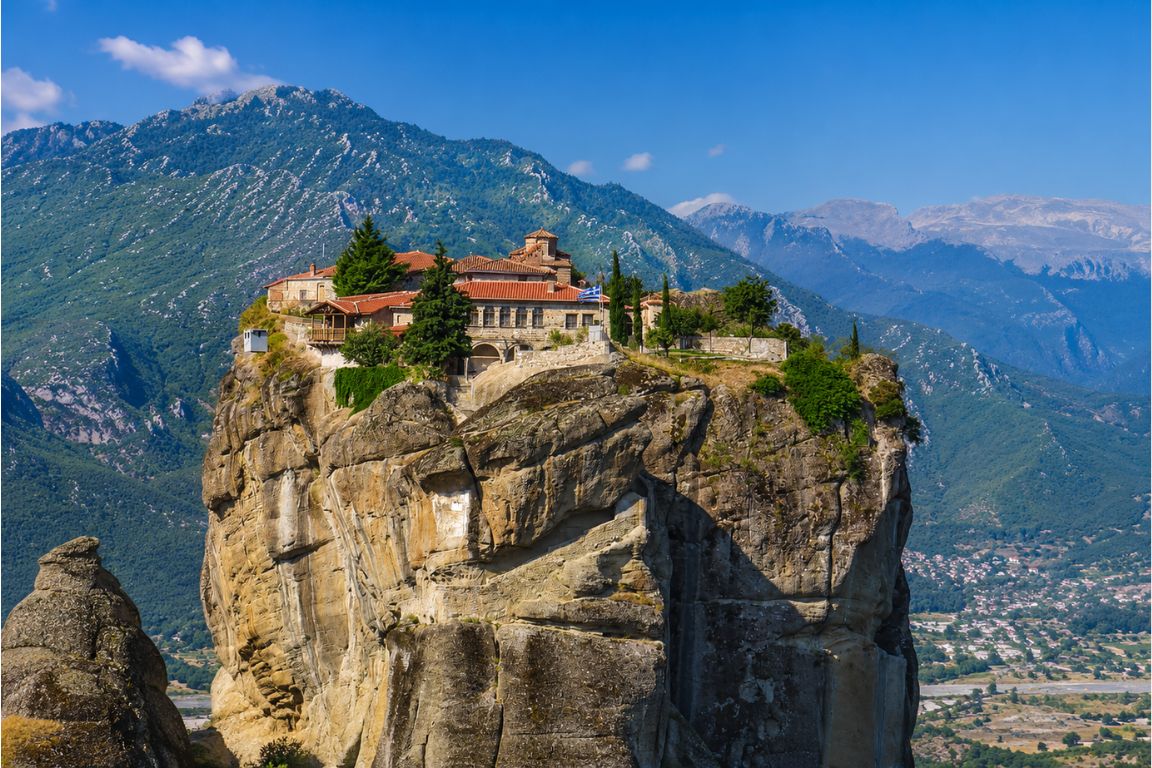 In one full day based in Kalambaka or Kastraki, you can visit three to four monasteries, see all six from the road and viewpoints, explore the hermit caves with a guided tour in the afternoon, and have a proper meal in town. You won’t see the sunset unless you specifically plan around it, which means leaving the last monastery by 17:00 and positioning yourself at a viewpoint while there’s still light. It’s a full, worthwhile day. It’s also the day that makes people wish they’d booked another night.
A note on the day-trip version of this schedule: if you’re arriving from Athens by guided coach, you land in Kalambaka around noon and have roughly four to five hours at the site before departure. That window is enough for two or three monasteries entered, all six viewed from the road, and the hermit caves if your guide includes them. The sunset is missed entirely on most Athens day trips because the coach departs before the light gets interesting. This is the specific reason that even one overnight night in Kalambaka changes the experience substantially.
There are six open to visitors but you won’t have time for all of them. Here’s a breakdown on which Meteora monasteries are best to visit based on views, crowds, and what’s inside.
Check your date before adding other commitments. This 14-hour return trip combines coach travel, local guiding and three monastery visits.
Sample One-Day Itinerary in Meteora
| 08:00 | Drive up to St. Nicholas Anapafsas | Open daily; quiet at this hour; best frescoes per square meter of any monastery |
| 09:00-10:00 | Varlaam Monastery | Best interiors; winch tower; museum. Arrive before 09:30 if possible |
| 10:30-11:30 | Grand Meteoron Monastery | Largest, oldest. Closes Tuesday. Crowds build after 10:00 |
| 12:00-13:30 | Lunch in Kastraki or Kalambaka | No restaurants on monastery road; drive down to town |
| 14:00-15:30 | Roussanou or Holy Trinity | Roussanou: bridge approach, photogenic. Holy Trinity: steep climb, dramatic exterior |
| 17:30-19:30 | Main Observation Deck for sunset | 5 monasteries visible; rocks turn amber to copper. Arrive early for position |
Discover a local route that connects monastery scenery, hermit caves and sunset viewpoints, with pickup and return at your Meteora base.
What Does Two Days in Meteora Look Like?
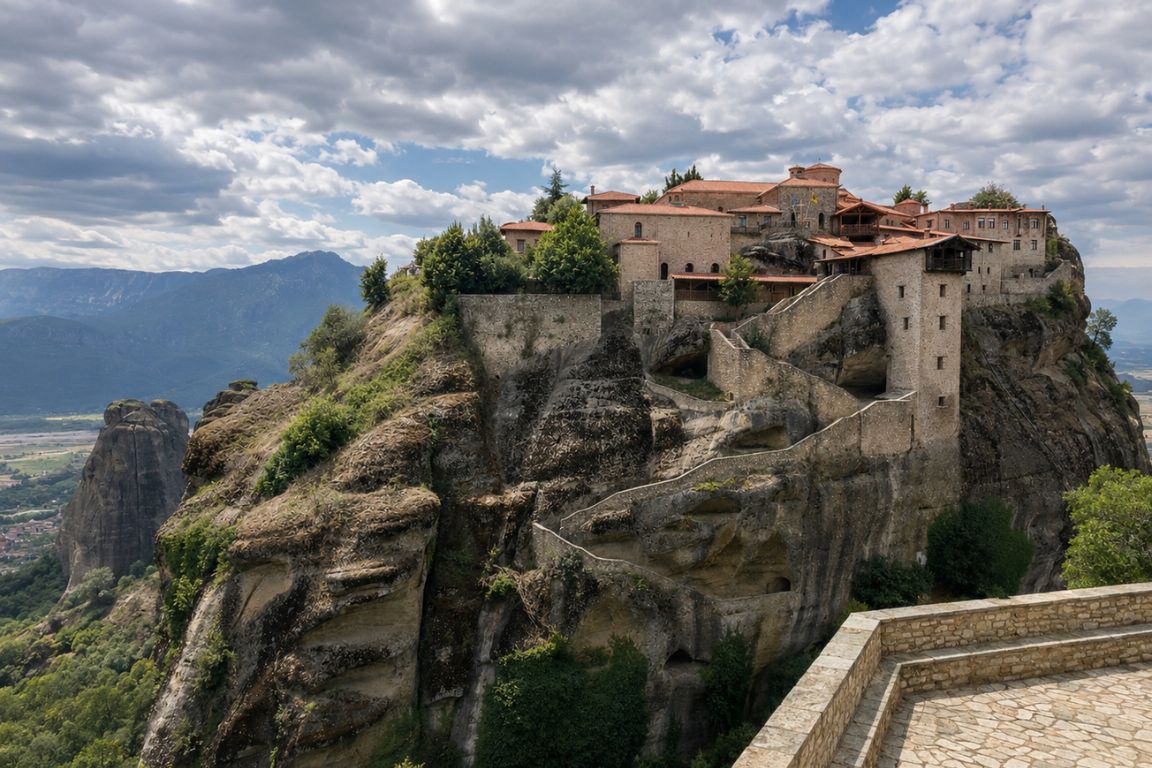 Two days in Meteora, with one overnight, is the most common multi-day configuration and gives you access to the full monastery circuit, one sunset, and enough time to walk at least one section of the trail network on foot. On a two-day visit you can realistically see all six monasteries across the two days, let the schedule breathe around monastery closure days, and experience both the midday tourist version of Meteora and the quieter version that exists before 09:30 and after 17:00.
The closure day logic is the thing that breaks two-day plans if you don’t check in advance. Grand Meteoron is closed on Tuesdays. Varlaam closes on Fridays. If your two days happen to fall across one of those days for your priority monasteries, the itinerary needs adjusting. Check the schedule for your specific dates before arriving and build the sequence around which monasteries are open on which day, not the other way around.
Two days also gives you the morning experience that no day trip captures. The light at Meteora before 09:00, when the rocks are still in partial shadow and the mist from the Thessalian plain sometimes drifts up between the pillars, is a different place from the same rocks at noon. You only get this by being there. It requires nothing except an early breakfast and a short drive up from Kastraki.
Review the opening-day planning guidance before assigning priority monasteries to either day, then adjust the sample sequence for your dates.
Sample Two-Day Itinerary in Meteora
| Day 1 | Arrive, check in, drive the monastery road for orientation. Roussanou and St. Stephen’s (quieter monasteries; less crowded in afternoon). Hermit caves tour (most operators offer this in the afternoon) | Sunset from Main Observation Deck or the viewpoint above Varlaam. Dinner in Kastraki |
| Day 2 | Early start at Grand Meteoron (before 09:30 if possible, before the coaches). Varlaam. St. Nicholas Anapafsas. Walk one section of trail between monasteries rather than driving | Holy Trinity in the afternoon when crowds have thinned. Depart or relax in Kastraki before evening meal |
Check the morning minibus for your date before arranging individual rides. It includes time inside three monasteries and panoramic stops in a four-hour outing.
What Does Three Days in Meteora Look Like?
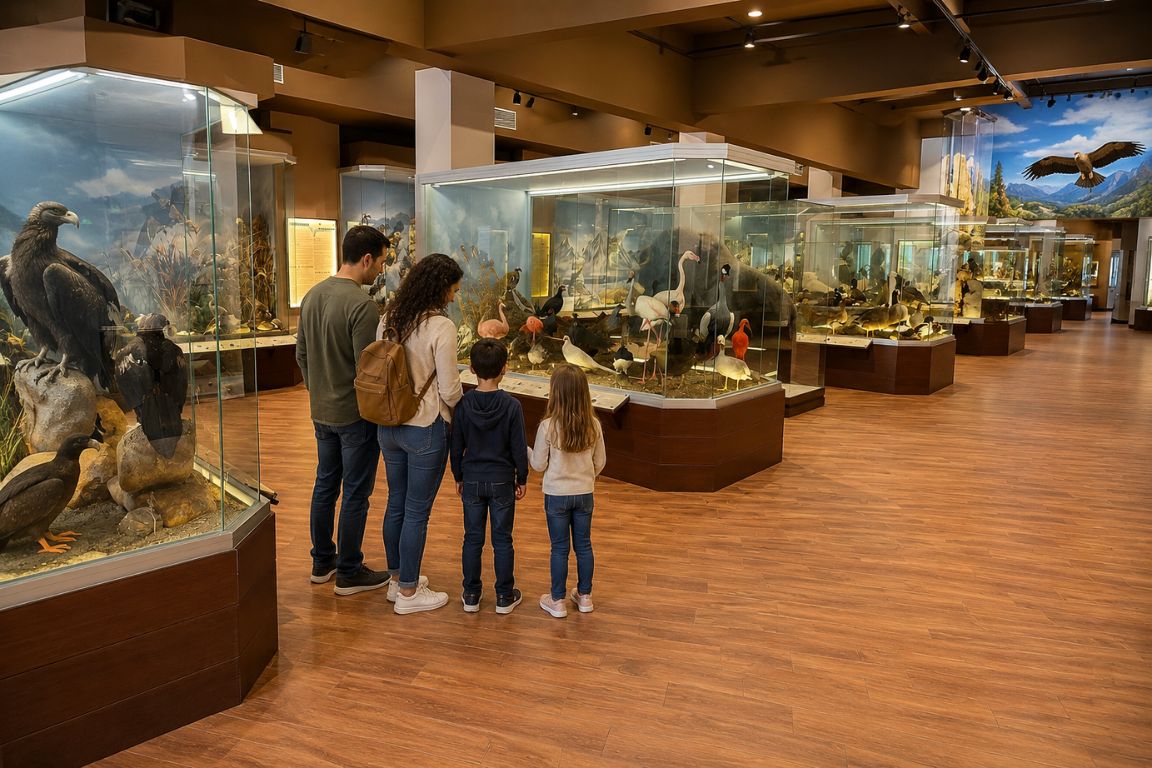 Three days is where Meteora stops feeling like a UNESCO site you’re ticking off and starts feeling like a place you’re actually inside. Day one covers the main monasteries and sunset. Day two is a full hiking day through the rock forest, finishing at the hermit caves. Day three is lighter: Theopetra Cave, the Natural History Museum, a morning at whichever monastery you haven’t seen yet, and a leisurely departure. The pacing across three days is the difference between seeing Meteora and experiencing it.
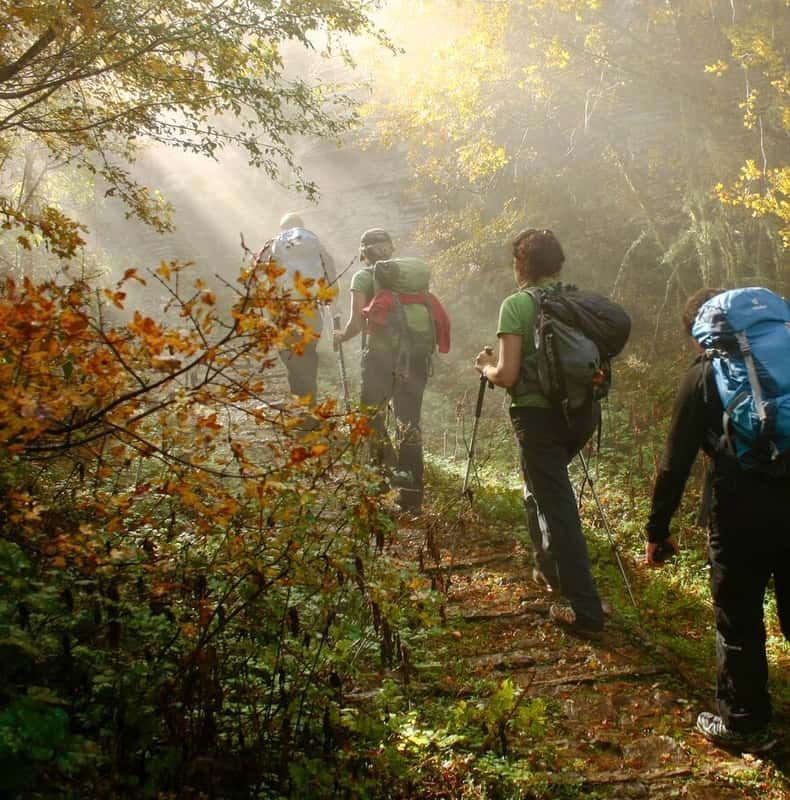
The second day in this itinerary, the hiking day, is the one that consistently produces the strongest memories. The trail from Kastraki into the rock forest, heading north toward the Holy Spirit pillar and the hermit cave complex, puts you inside the landscape in a way the monastery road cannot. You’re walking under the pillars rather than above them. The forest paths through oak and plane trees, the exposed rock passages, the views back down toward Kastraki with the plain of Thessaly behind it, all of this is invisible from a car. Many travelers who do this on day two describe it as the best day of their Greece trip, eclipsing the monastery visits themselves.
Theopetra Cave on day three is worth the half-hour drive. It is one of the most significant prehistoric sites in Greece: human presence confirmed at 130,000 years, the oldest known man-made structure on earth (a stone wall across the cave entrance), and active archaeological excavation since the 1980s. It sits almost entirely off the tourist circuit. On a summer afternoon at Grand Meteoron, you share the site with hundreds of people. At Theopetra Cave, you may have it nearly to yourself.
Meteora is more than just monastery hopping. Here’s a full guide on what to do in Meteora tours covering hiking trails, viewpoints, and experiences most visitors overlook.
Explore roughly eight kilometres of forest and rock formations with a mountain guide. The four-hour hike adds a dedicated landscape outing to a longer stay.
Sample Three-Day Itinerary in Meteora
| Day 1 | Monastery circuit + sunset | Grand Meteoron, Varlaam, Roussanou (3 monasteries entered). Sunset from observation deck. Dinner in Kastraki |
| Day 2 | Hiking + caves | Early start on trail from Kastraki toward Holy Spirit rock, through rock forest, hermit caves, Ypapanti ruins. Afternoon: St. Nicholas Anapafsas or Holy Trinity. Rest at hotel pool |
| Day 3 | Beyond the monasteries | Theopetra Cave (7 km from Kalambaka, prehistoric site with 130,000-year human history). Natural History Museum. St. Stephen’s if not yet visited. Depart after lunch |
Prefer to keep the hiking day independent? Review the trail overview and route expectations before preserving a dedicated walking block in the itinerary.
Is Meteora Worth More Than Three Days?
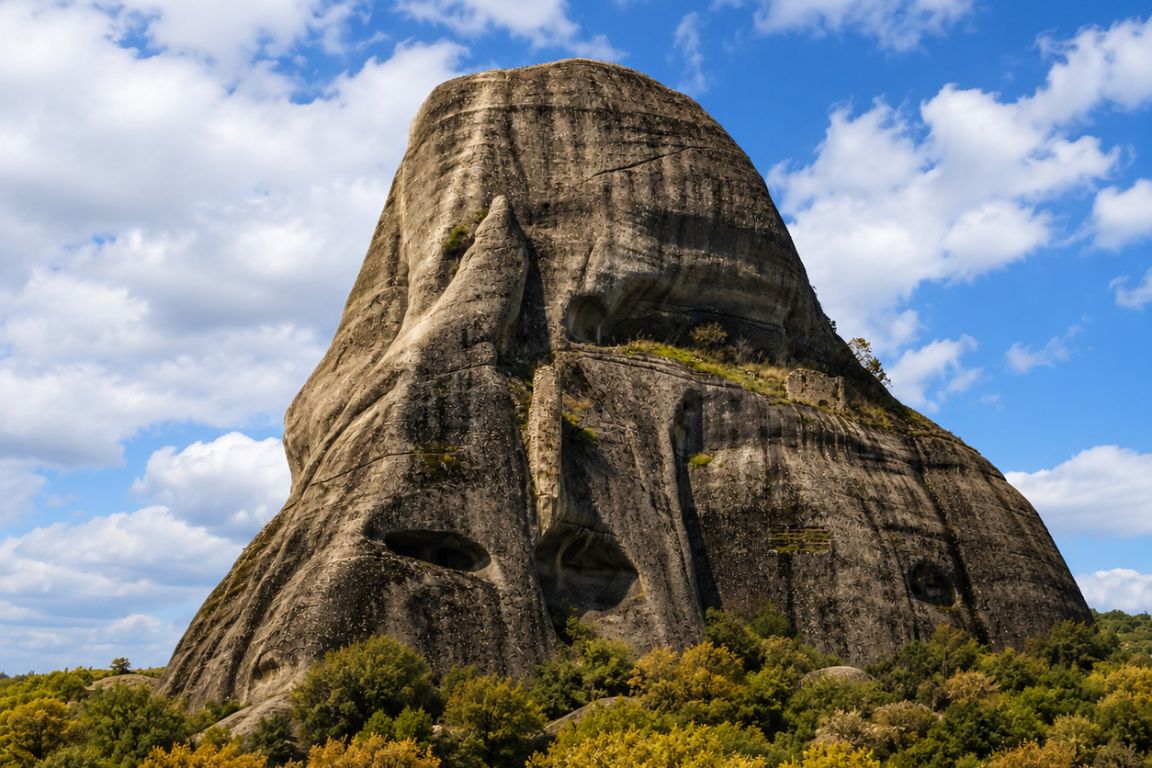 For most travelers, three days covers Meteora comprehensively. A fourth or fifth day makes sense specifically for rock climbers (the climbing field around Doupiani rock has nearly 800 routes across 15 fields), serious hikers wanting to walk the full 18 km monastery circuit, photographers who want to shoot the formations across multiple light conditions over several days, or travelers who want to add day trips to Lake Plastira or Mount Olympus. For everyone else, three days leaves nothing essential unseen.
Rock climbing in Meteora is a distinct sub-destination. The same conglomerate pillars that support the monasteries have been climbed by locals since before the monks, and today nearly 800 established routes cross 15 climbing fields at all difficulty levels. A beginner session on Doupiani Rock, the most accessible field, takes a half-day with a local guide who provides equipment. A serious climber could spend a week here and not repeat a route. For that traveler, four to five days is not excessive.
Photography deserves a specific mention. The formations change character across conditions in ways that take multiple days to fully capture: mist between the pillars in early morning, the green of spring or gold of autumn in the oak forest, the copper light of a clear October sunset, winter fog sitting in the valley with the monastery tops emerging above it. Photographers who’ve planned two days consistently wish they had three or four.
| First-time visitor, broad Greece itinerary | 2 nights / 2-3 days | Covers all monasteries, sunset, one trail |
| Hiker, active traveler | 3 nights / 3-4 days | Full trail circuit, caves, Theopetra, scramble tour |
| Photographer | 3-4 nights | Multiple light conditions; dawn, dusk, mist, different seasons if possible |
| Rock climber | 4-7 days | Nearly 800 routes across 15 fields; a week barely covers it |
| Family with children | 2-3 nights | Monasteries on day 1-2, cave tour, Natural History Museum, pool time at hotel |
| Repeat visitor | 3-5 nights | Hiking circuits, wine region visits, day trip to Lake Plastira |
Use the broader activity guide to decide whether climbing, longer walks, village time, or another specific pursuit justifies an extra day.
How Does Time in Meteora Compare to Time on the Greek Islands?
Enter the total transport, lodging, and activity costs for each itinerary version to compare the mainland and island allocations on your own figures.
 The Greek islands reward longer stays because the pleasure is cumulative: more beaches, more tavernas, slower rhythm. Meteora rewards staying long enough to see the light change and go beyond the monastery road, but it does not scale the way an island does. Three days covers Meteora comprehensively. Three days on Naxos barely gets you started. This matters for itinerary planning: Meteora and an island are not equivalent time investments, and treating them as such is one of the most common first-Greece-trip mistakes.
The island versus mainland split is a real planning tension for first-time visitors to Greece. The standard advice is islands plus Athens. Meteora gets treated as an optional add-on, and when time is tight, it gets cut or compressed into a day trip. The problem with that calculation is that it treats Meteora as the same category of experience as an island, which it is not. An island is a lifestyle: you slow down, you eat, you swim, you do it again. Meteora is a place with a specific set of experiences that have a natural endpoint. You can stay longer at Meteora and find things to do, but there is a point where the core of what you came for has been done.
The practical implication: if you’re choosing between three days on Santorini and two days at Meteora, the Santorini days are not wasted. But if you’re trying to add Meteora to a Greece trip that already has islands and Athens, the minimum investment to make Meteora worthwhile is two nights. One afternoon and a day does not do it justice, and the four-hour drive each way from Athens makes a day trip a significant time commitment for something that’s seen in compressed form.
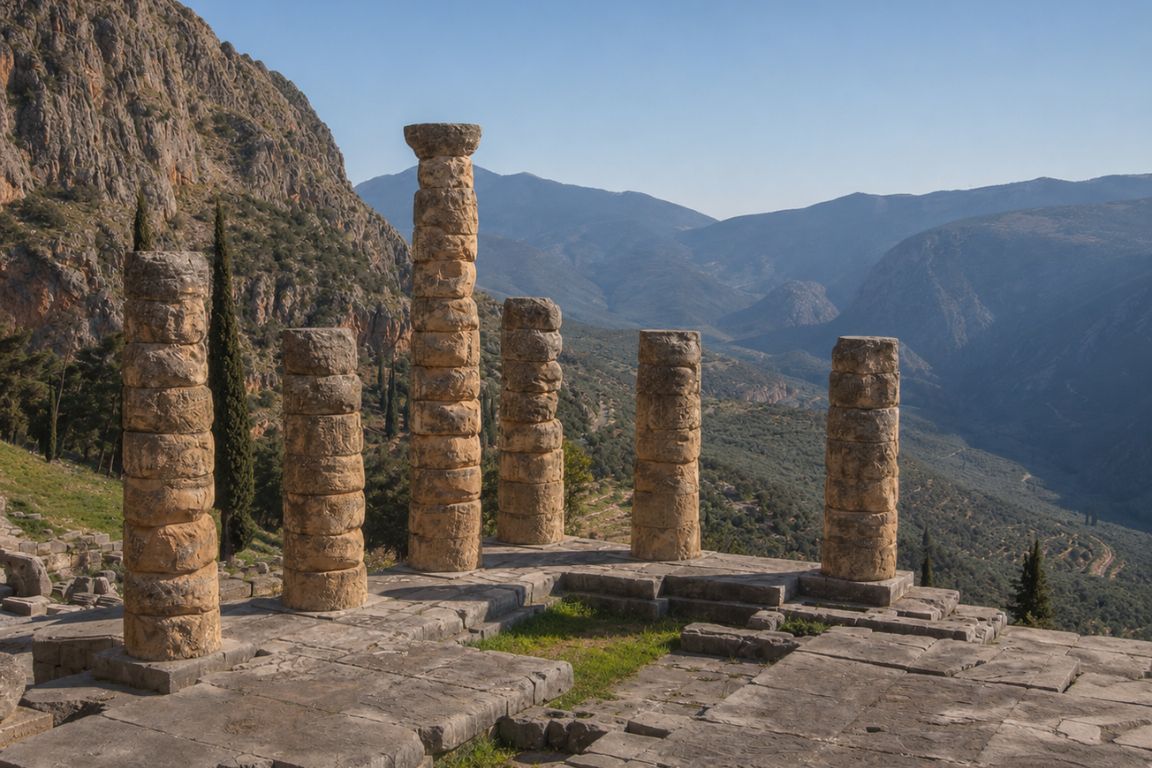
The travelers who handle this best build Meteora as a stop between Athens and Thessaloniki, or combine it with Delphi on a mainland circuit that doesn’t compete with island time at all. Two days at Delphi and Meteora combined, then a flight to an island from Thessaloniki, is a well-structured first Greece trip that gives you both the mainland experience and the island experience without sacrificing one for the other.
Trying to fit both into one trip or deciding between the two? Here’s a straight look at Meteora vs Delphi based on what most travelers actually care about.
What Do People Wish They Had More Time For?
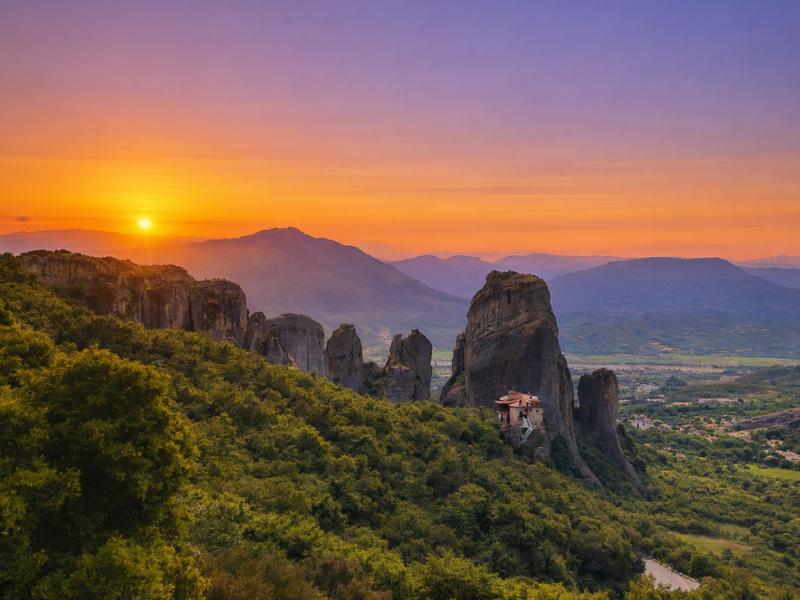
The four things travelers most consistently wish they’d had more time for at Meteora: seeing the sunset (missed by almost all day-trippers), walking the trail network rather than driving the monastery road, exploring the hermit caves properly rather than rushing through them, and simply sitting somewhere high with the valley below and not having to move. The last one sounds trivial. It is consistently described as one of the best moments of the trip.
The sunset point deserves emphasis because it keeps appearing across every review platform and travel forum we’ve consulted over seventeen years. Travelers who arrived on a day trip or stayed only one night, without planning around the sunset, describe it as the main thing they’d do differently. The rocks at Meteora change color in the last hour of daylight in a way that photographs don’t fully convey, and the viewpoints during that hour are where many visitors have the moment that makes the trip. It requires nothing except being in the right place at the right time, which in turn requires staying late enough to be there.
The hiking trail regret is less universal but consistent among active travelers. People who drove the monastery road and entered four monasteries in a day report a different Meteora than people who walked the trail from Kastraki through the rock forest, approached Grand Meteoron from below through the oak trees, and spent twenty minutes on a rock shelf above the valley before the monastery opened. The road version is fine. The trail version is the one that earns the comparison to Machu Picchu or Cappadocia that keeps appearing in reviews.
Not sure where to position yourself for the best view at the end of the day? This breakdown on the best Meteora sunset spots covers the top viewpoints and how to get to each one.
Check the evening route before arranging dinner and separate viewpoint transfers. Local pickup, a guided outing and return transport are included.
What Travelers Tell Us After Guiding 14,400+ Visits
| What would you do differently? | Stay at least one more night | ~59% |
| What was the highlight you didn’t expect? | The sunset / the light change at dusk | ~67% |
| What did you not have time for? | Hiking the trail network | ~44% |
| Did you feel rushed? | Yes (day-trippers and 1-night visitors) | ~71% |
| Did you feel rushed? | No (2+ night visitors) | ~88% |
| Would they return to Meteora? | Yes | ~84% |
Choose the trip format that protects the experience you value most, whether that is an evening viewpoint route, trail time, or an overnight stay.
Does the Season Affect How Many Days You Need?
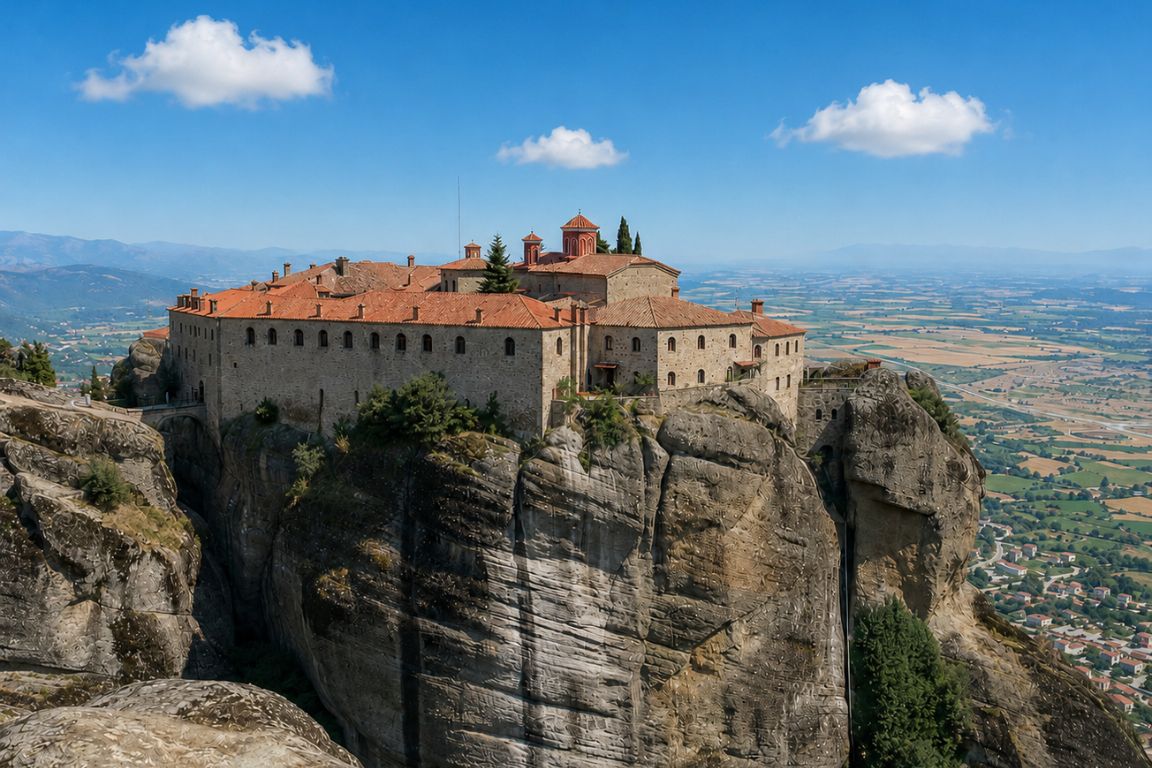 Yes, modestly. In summer, the crowd density between 10:00 and 14:00 means you need to plan around peak hours, which effectively takes a chunk of midday off the table for monastery visits. That pressure can make a two-day visit feel tighter than it would in spring or autumn. Winter shortens monastery opening hours by roughly an hour each day, which reduces the visiting window but simultaneously reduces competition for it. Shoulder season, April to May and September to October, is the most efficient time to visit because you get full summer hours without summer crowds.
Summer also adds the heat variable. The monastery staircases are exposed stone, often south-facing, with no shade and no breeze. In July and August by midday the temperature on those steps can be significantly higher than the ambient air temperature. Travelers who planned a full day of monastery visits in August and didn’t account for this find themselves exhausted by monastery three and not in condition to enjoy four through six. An extra day gives you the option of visiting fewer monasteries per session and resting during the hottest part of the day.
Winter is the surprise. It’s genuinely worth considering for travelers whose schedules allow it. The monastery hours from November through March run roughly 09:00 to 15:00, which gives you six visiting hours rather than eight, but the sites are nearly empty. A November Tuesday morning at Varlaam, where you have the frescoes essentially to yourself while light comes through the window onto the painted walls, is a version of Meteora that most people never experience. Snow on the rock pillars is not common but not rare. Fog sitting in the valley with the monastery tops above it is more predictable. Two winter days covers the same ground as two summer days with a fraction of the frustration.
Timing your trip can make or break the experience. Here’s the best time to visit Meteora tours based on crowds, weather, and monastery access.
| April-May | Summer (09:00-17:00) | Moderate, building | 2 days covers everything comfortably |
| June-August | Summer (09:00-17:00+) | High 10:00-14:00 | Add half a day buffer; heat limits midday activity |
| September-October | Summer into winter transition | Moderate, falling | Best efficiency; 2 days is genuinely enough |
| November-March | Winter (09:00-15:00) | Low | Shorter hours but empty sites; 2 days still sufficient |
Read how crowds and monastery hours vary by season, then leave enough flexibility to arrange visits around the conditions for your dates.
What Do First-Time Greece Visitors Get Wrong About Meteora Timing?
Recommended tours by season
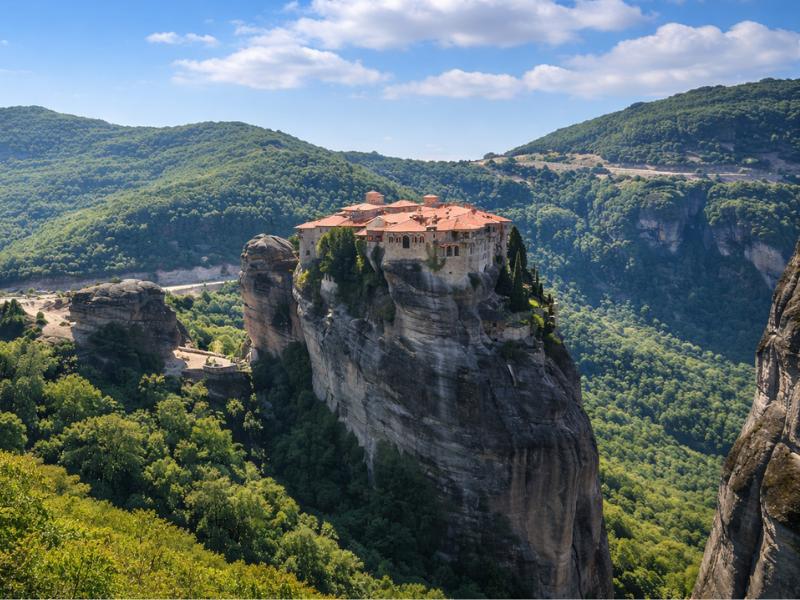
Early Morning Meteora Tour – Small Group with Local Guide
Four hours, small group, local guide. A useful June–August pick when you want the monasteries before midday.
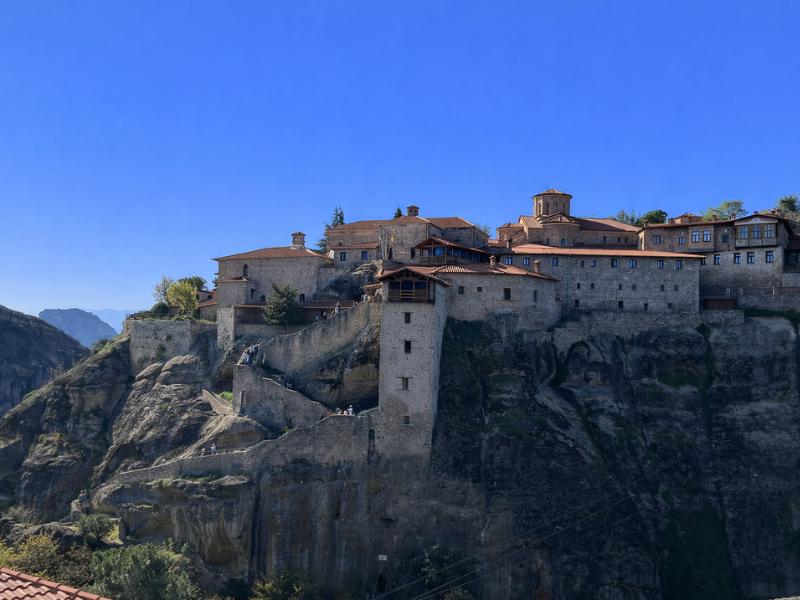
Small-Group Meteora Hiking Tour from Kalambaka – Transfer & Monasteries
Four-hour hike from Kalambaka with a transfer and monastery stops. Fits September and October beside the monastery circuit.
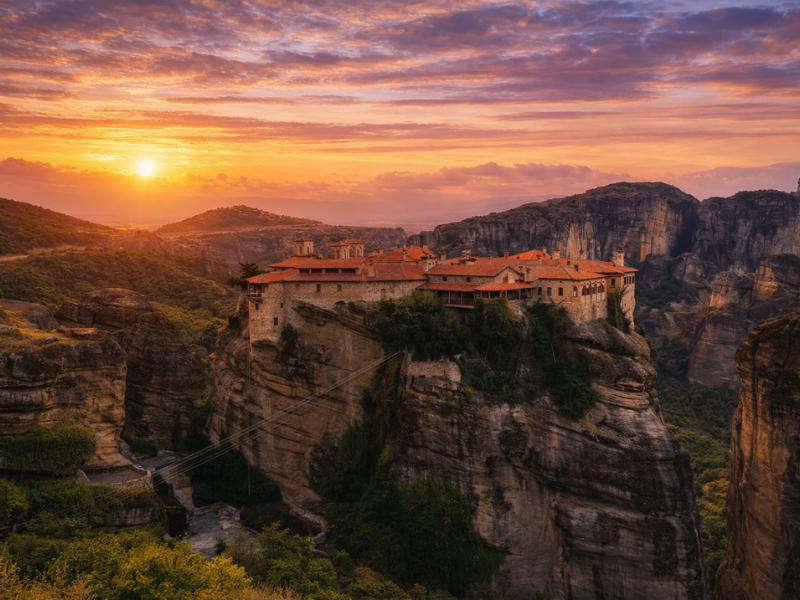
Small-Group Meteora Sunset Tour – Monasteries Glow & Hermit Caves
Four-hour sunset tour with monastery viewpoints and hermit caves. Works in any season if you are staying overnight.
2-Day Meteora Experience from Athens – Sunset, Sunrise & Hotel Stay
48 hours from Athens with a hotel stay, sunset, and sunrise. The overnight format this guide treats as the baseline.
The main mistake is allocating Meteora time based on its geographic size rather than its experiential depth. Meteora covers a small area. The monastery circuit road is only a few kilometers. First-time visitors look at a map, see how compact it is, and conclude one day is plenty. That conclusion misses the point entirely. Meteora’s depth is vertical and temporal, not geographic. The difference between the rocks at noon and at sunset is the difference between a photograph and a memory.
The second mistake is building a Greece itinerary that treats every destination as a one-night stop and then wondering why nothing felt like anything. Greece rewards commitment to fewer places. Two nights in Meteora, two nights in Naxos, two nights in Athens, and you’ve had a real trip. Four one-night stops across four different places and you’ve been processing logistics. Meteora specifically, given the four-hour drive from Athens, needs at least two nights to justify the travel overhead. One night means six hours in transit for one night’s sleep and one day of site visits. That math doesn’t work.
The third mistake is scheduling Meteora on the first or last day of a Greece trip, when jet lag or departure stress compresses the experience. Meteora rewards mental presence. It rewards sitting on a rock and looking at the valley without checking the train schedule. Scheduling it in the middle of a trip, when you’re fully in travel mode and not worrying about flights, gives it its best chance of delivering what it can deliver.
From seventeen years of watching travelers move through this place: the ones who arrive with two nights booked and no particular agenda beyond “see the monasteries and walk somewhere” tend to have better Meteora experiences than the ones with tight itineraries and a list of six monasteries to tick off. It is a destination that gives back proportionally to the patience you bring to it.
First time planning a Greece trip and not sure where Meteora fits? Here’s whether Meteora is worth visiting based on what kind of traveler you are.
Explore the Athens overnight itinerary for a sunset outing and another morning among the rocks, with accommodation options to match the stay.
Frequently Asked Questions
Use the selector after reading the answers below to compare a same-day Athens return, an overnight trip, and focused local outings.
Can you see Meteora in one day?
Yes. One full day based in Kalambaka or Kastraki is enough to enter three to four monasteries, see all six from the road, and visit the hermit caves. A day trip from Athens gives you roughly four to five hours at the site, which covers two to three monasteries. You’ll see the place. You won’t see the sunset, you won’t walk the trails, and you’ll leave wishing you’d stayed longer.
Check the full-day departure before making other evening plans. Return coach travel and local monastery sightseeing are combined in one 14-hour trip.
Is two days in Meteora enough?
Yes, for most travelers. Two full days covers all six monasteries across both days, at least one sunset from the viewpoints, and one section of the trail network on foot. It’s the minimum stay that feels complete rather than rushed. The one thing two days doesn’t fully accommodate is the hiking circuit, which deserves its own day.
Explore the sunset tour and second-morning options in this Athens itinerary. Return coach travel and local transfers connect both days.
What is the best number of days for Meteora?
Three days is the sweet spot. It covers the full monastery circuit without pressure, one dedicated hiking day through the rock forest and hermit caves, Theopetra Cave, and enough time to have a meal in Kastraki without immediately packing for the next destination. Travelers who stay three days consistently report feeling like they saw Meteora rather than processed it.
Check the hike for your date before filling every day with monastery visits. The four-hour guided walk gives the forest and formations a dedicated place in the trip.
What is there to do in Meteora on a third day?
A full hiking day through the ancient monk trails (7 km, 4-5 hours with monastery visit), the hermit cave complex below the main monastery road, Theopetra Cave 7 km from Kalambaka, the Natural History Museum in Kalambaka, rock climbing on Doupiani Rock for beginners with a local guide, or simply slowing down: a long breakfast with the rock formations visible, an afternoon at a hotel pool in Kastraki, an evening at one of the village tavernas without rushing to pack.
Explore an eight-kilometre walk through Meteora’s forest and formations with a mountain guide and local accommodation transfers.
Is Meteora better in summer or shoulder season for timing purposes?
Shoulder season (April-May and September-October) is better for time efficiency. Summer has longer hours but the midday crowd pressure and heat both limit what you can comfortably do between 10:00 and 14:00. In shoulder season, you can visit any monastery at any time of day without the crowd problem. Two shoulder-season days feel more productive than two summer days.
Compare the month-by-month guidance before deciding whether your season needs more scheduling flexibility or an additional activity block.
Can you combine Meteora with Delphi in the same trip?
Yes, and it’s one of the best mainland Greece itineraries. Athens to Delphi (2.5 hours), overnight in Arachova or Delphi, then north to Meteora (3 hours). Two nights at Meteora, then either back to Athens or north to Thessaloniki. The total mainland circuit takes four to five days and covers two of the most extraordinary sites in Greece without any island travel or ferry logistics.
Check the two-day circuit before arranging individual journeys from Athens. It joins Delphi’s archaeological site with two Meteora monastery visits and an overnight stay.
Working out how many days Meteora fits in your Greece trip?
We’ve been answering that question since 2009. If you are choosing between a compressed day and an overnight, compare the full-day tour from Athens with the 2-day experience that includes a hotel stay. If you are already staying overnight, the small-group sunset tour is the four-hour outing that puts you at the viewpoints for the last light.
Written by Michael Angelos
Greek tour guide since 2009 · Founder, Meteora Tours
Michael has guided over 14,400 travelers through the monasteries and rock formations of Meteora since founding the agency.