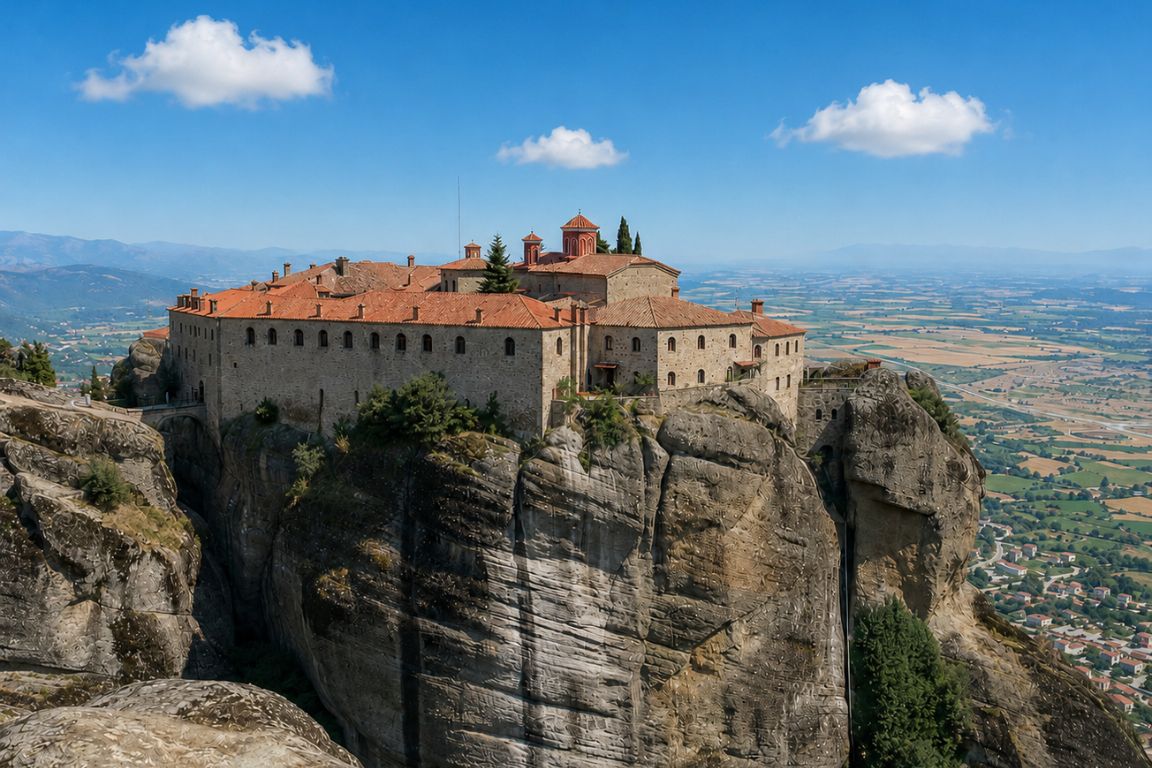
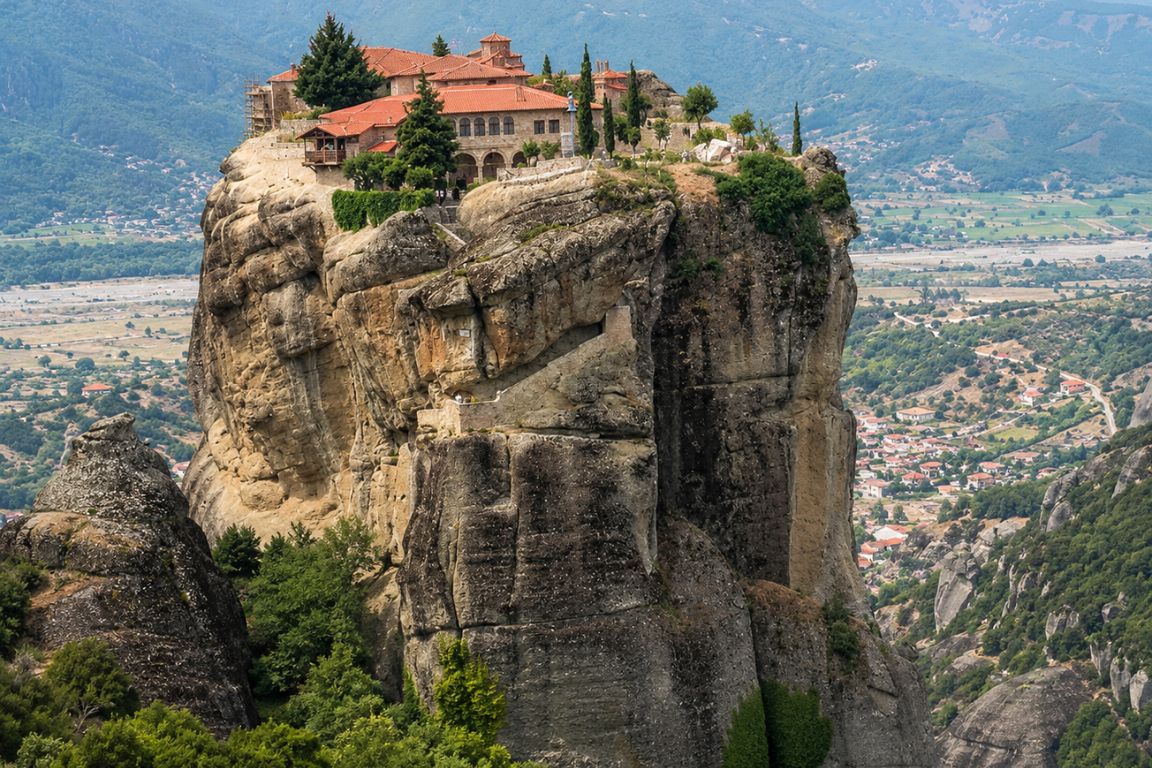
Discover the Mystical Floating Monasteries with Local Expert Guides
Book the best Meteora tours in central Greece. Explore stunning clifftop monasteries, hike ancient paths, enjoy panoramic views and sunset magic on small-group or private day trips from Athens or Kalambaka. Guided monastery visits, photography stops and hiking options available year-round. Secure your unforgettable Meteora adventure today!
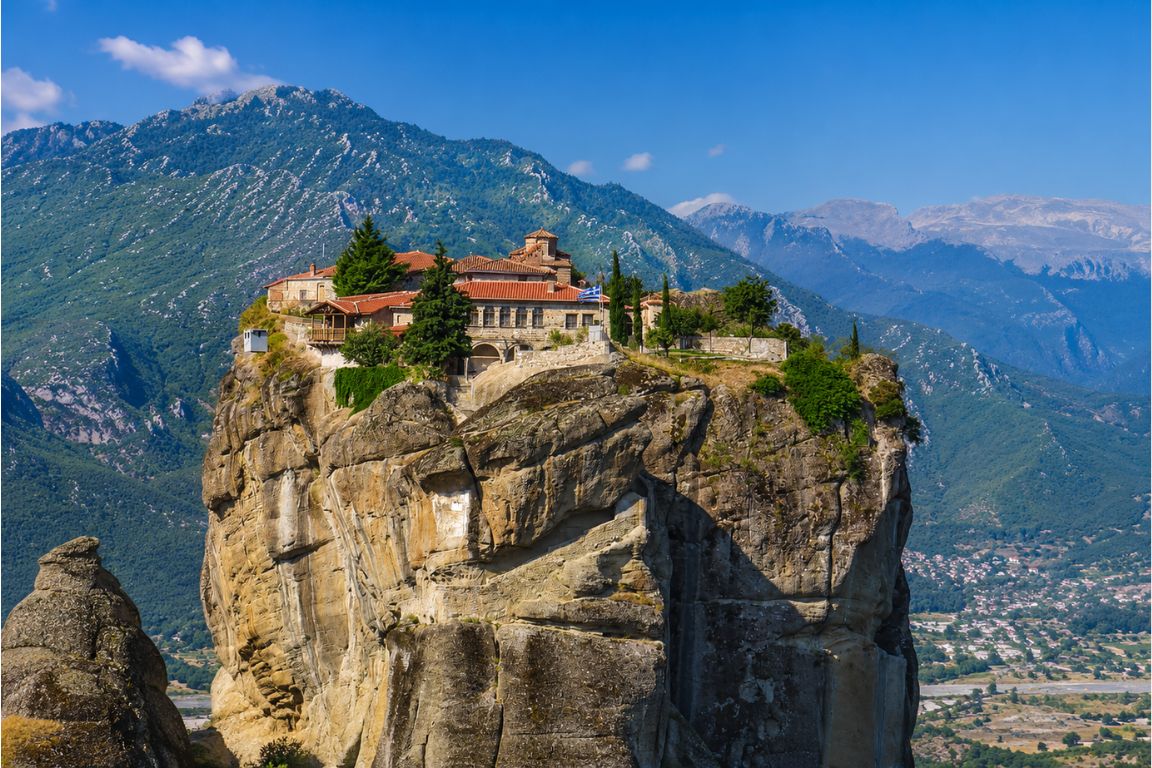
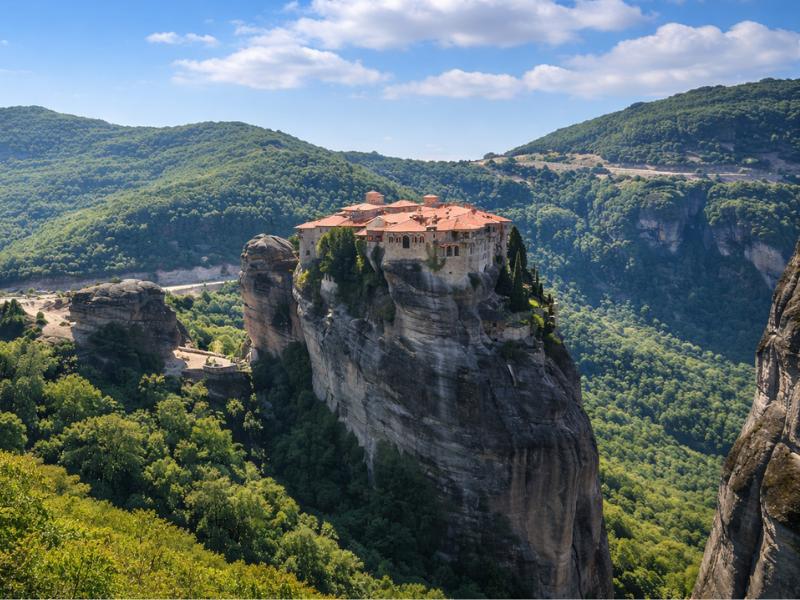
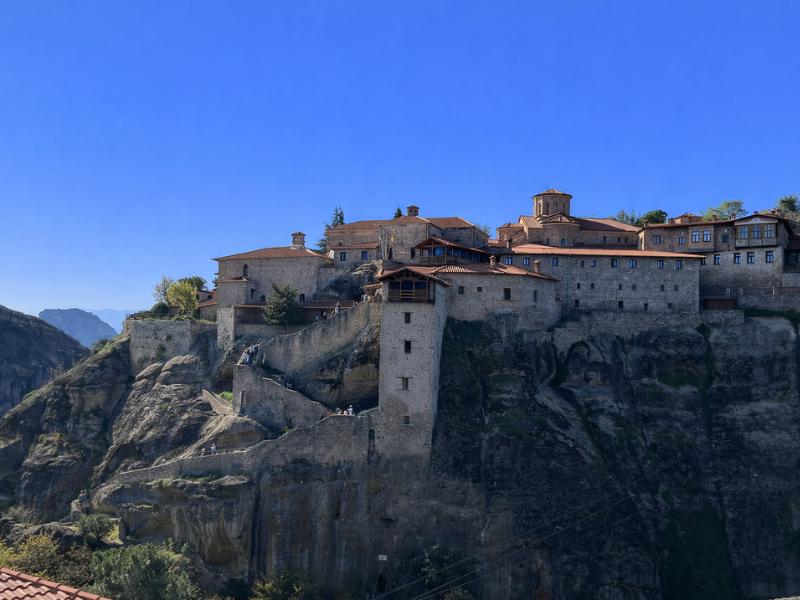
Our best-selling Meteora tours take you to the six stunning monasteries perched on towering rock pillars, with guided walks inside the most beautiful ones like Varlaam and Great Meteoron, epic panoramic views over the Thessaly plain, and sunset light turning the rocks golden.
Meteora’s monasteries perched on rock pillars are a UNESCO wonder, and this full-day trip from Athens makes it effortless. Depart 7:45 AM from near Central Railway Station in a private A/C bus, arriving by noon. Your English-speaking guide (or audio in multiple languages) leads you to all six monasteries, entering three for detailed history and monk stories. Explore hidden hermit caves and St. George Mandilas cave most miss, plus panoramic photo stops. Free time in charming Kalambaka town for lunch (traditional Greek meal with salad, main, bread, water; vegetarian/vegan options) or exploration. Return to Athens ~10:15 PM.
Meteora’s cliff-top monasteries look like something from another world, and this half-day tour from Kalabaka lets you see all six active ones up close without rushing. You’ll step inside three main monasteries with a knowledgeable guide sharing their incredible history and daily life of the monks. Plenty of panoramic photo stops capture the dramatic rock pillars and valleys. Comfortable air-conditioned bus with Wi-Fi and hotel pickup/drop-off keep everything seamless. The perfect way to experience UNESCO-listed Meteora’s magic in a short time.
Skip the stress of driving to Meteora on this hassle-free day trip from Athens. Explore all six stunning monasteries perched on rock pillars, with guided tours inside three for deep insights into their history and monastic life. See hidden hermit caves most tourists miss, enjoy photo stops at panoramic viewpoints, and break up the journey with relaxing coastal village stops. Upgrade for a traditional Greek lunch, private guide, or overnight hotel stay. Perfect way to experience UNESCO Meteora’s magic in one day.
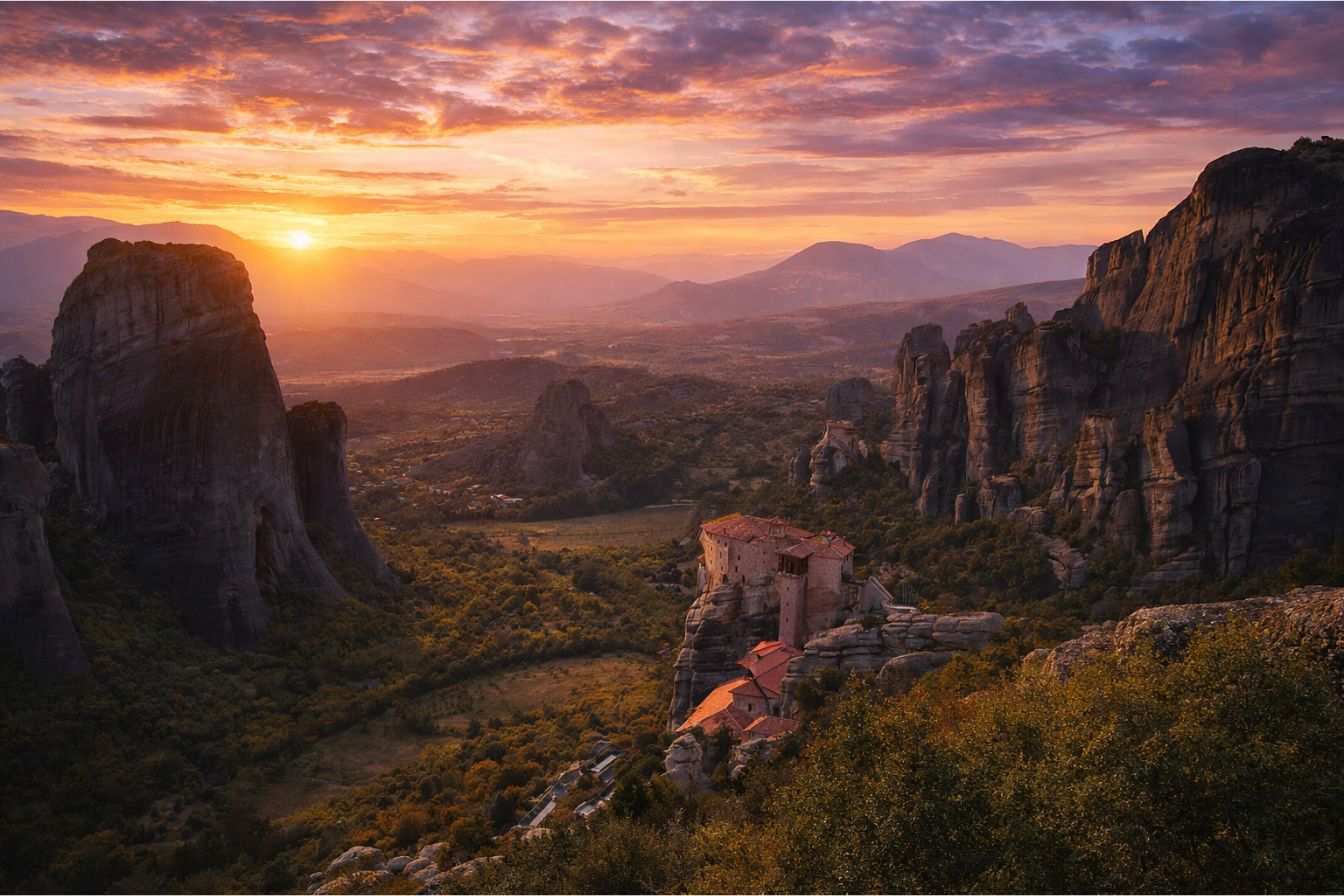
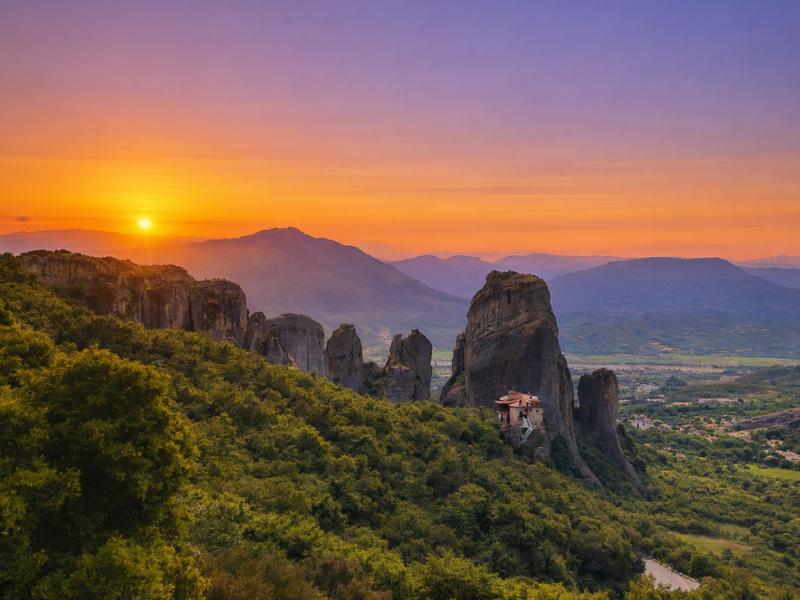
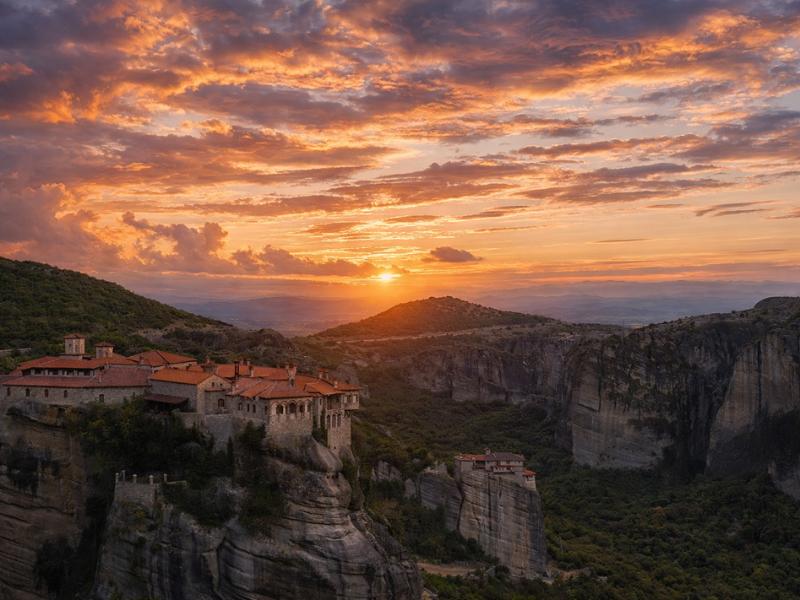
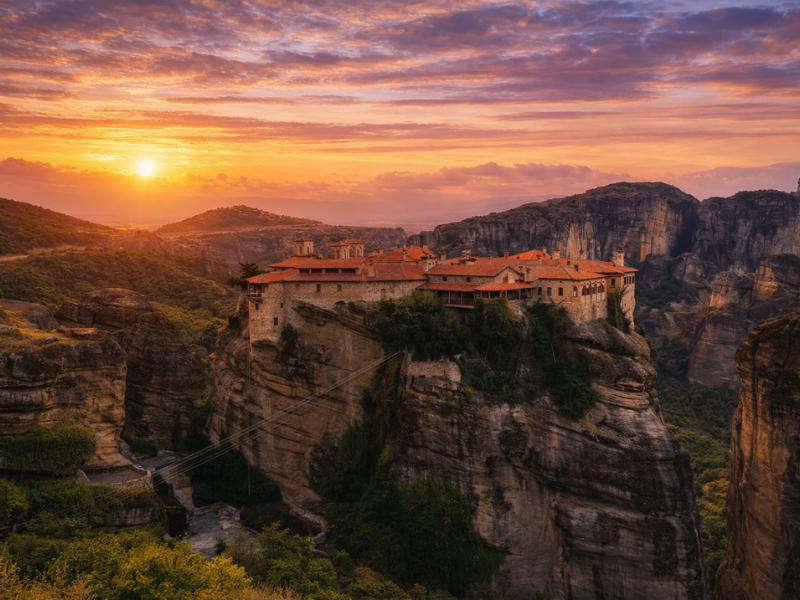
Our sunset Meteora tours time your visit for the golden hour when the rock pillars glow orange and the monasteries cast long shadows over the Thessaly plain.
Skip the hassle of buses and planning on this professional overnight package from Athens. Enjoy round-trip transport, hotel transfers, comfortable accommodation, a magical sunset tour of the cliff-top monasteries, and a morning hike or extra exploration on day two. Relaxed small-group experience with sunset views over UNESCO-listed Meteora.
Experience Meteora’s magic at golden hour on this 4-hour small-group tour with hotel pickup in an air-conditioned minibus. Your English-speaking local guide shares the history, myths, and traditions of the UNESCO site. See all 6 monasteries (enter 1–2 depending on season), discover hidden Bandovas hermit caves, visit the Byzantine Church of Virgin Mary, and enjoy multiple panoramic photo stops. Finish with a breathtaking sunset over the rock formations from the perfect viewpoint. Free audio guide in 11 languages for extra insights.
Catch Meteora’s cliffside monasteries glowing at golden hour on this small-group evening tour (max 4 people). Pickup from Kalambaka or Kastraki, enter one monastery, then head to prime viewpoints with a photographer guide for pro tips, tripod use if needed, and snacks/water. Perfect for amateurs or advanced photographers seeking stunning sunset shots.
Sunset turns Meteora’s rock pillars into golden magic on this guided minibus tour. Meet at Kalampaka Train Station, relax in air-conditioned comfort as you drive to Saint Antonios, where the first 10th-century hermits settled. Learn about the ancient caves and hermitages that started monastic life. Stop at a monastery for stunning photos, visit St. George the Mandilas cave, and end at multiple viewpoints capturing breathtaking sunset views over the UNESCO site.
Experience Meteora’s magic at golden hour on this small-group sunset tour. Avoid crowds while exploring a monastery, Byzantine church, and centuries-old hermit caves with your expert guide sharing the unique history. End at a secret viewpoint for breathtaking sunset views over the rock pillars and valleys. Hassle-free transfers included – the perfect way to see Meteora glow.
Our Meteora private tours give you your own AC vehicle, dedicated expert guide, and total flexibility to explore the six rock-perched monasteries at your pace: linger at Great Meteoron or Varlaam for mosaics and views, hit hidden viewpoints, or time it for golden-hour glow over the Thessaly plain.
Meteora’s monasteries perched on towering rock pillars are a UNESCO wonder, and this private full-day tour lets you explore them at your own pace. A local expert guide shares the rich history and hidden stories while you visit several monasteries up close. Enjoy breathtaking panoramic views, plenty of photo stops, and a delicious traditional Greek lunch with valley vistas. Comfortable transport and flexible itinerary – the ultimate personalized immersion in Meteora’s magic.
Meteora’s monasteries atop towering rocks are breathtaking, and this private tour lets first-time visitors see all six without waiting or rushing. Customize the itinerary with your guide, enter some monasteries for up-close history, and discover local secrets. Comfortable air-conditioned vehicle ensures a relaxed, personalized experience. The ideal way to immerse in Meteora’s magic.
Discover Meteora’s dramatic monasteries perched on rock pillars on this personalized private day tour from Athens. Your guide shares Byzantine history and hermit stories while you visit three monasteries up close. Walk around the unique formations, stop in charming Kastraki village for authentic Greek food, and hear epic Thermopylae battle tales on the return drive. The perfect immersive, crowd-free way to experience Meteora’s magic
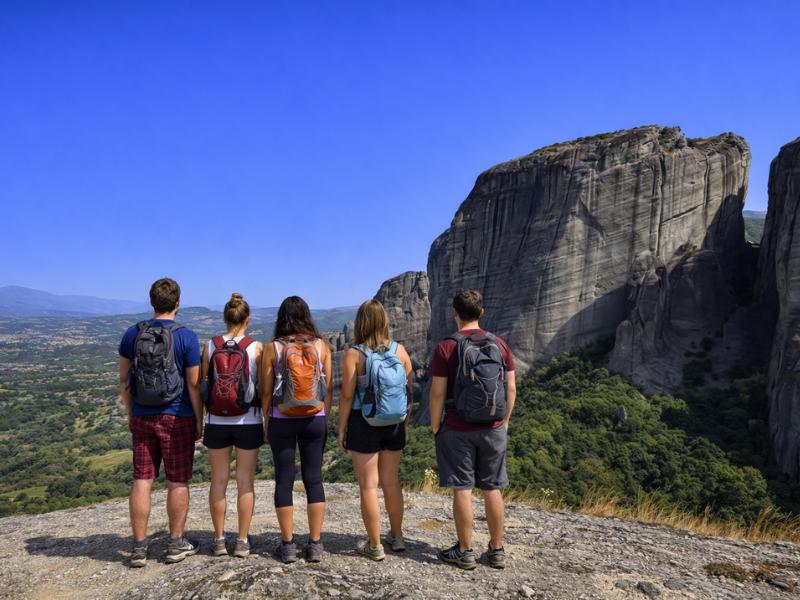
Our Meteora hiking tours combine monastery visits with guided trails through the rock pillars and valleys below, tackling moderate paths like the trail to Varlaam viewpoint, the hidden Psaropetra lookout, or the full loop connecting all six monasteries with epic drop-away views.
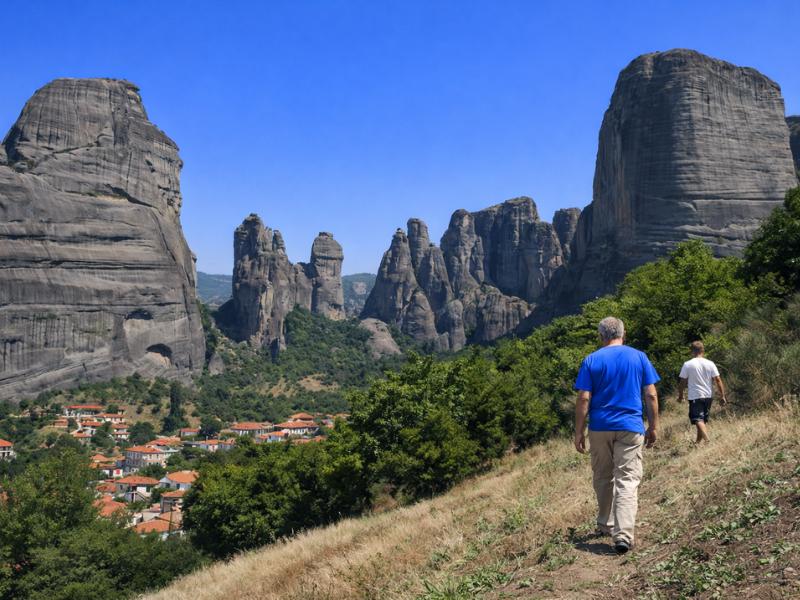
Discover Meteora’s ancient footpaths on this family-friendly hike through green forests and dramatic rocks. Start in Kastraki, trek to restored Monastery of Visitation of Jesus, Papathymios Vlahavas statue, and St Dimitrios church ruins. Reach Great Meteoron and Varlaam monasteries, descend passing St George Mandilas cave. Luxury mini-bus transport, expert guide, and authentic history – an unforgettable, off-the-beaten-path Meteora adventure.
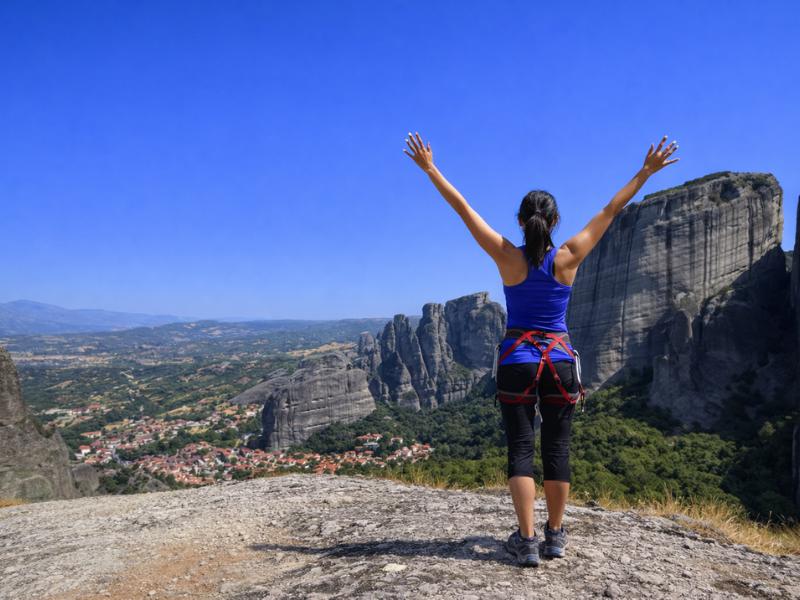
This moderate-to-challenging hike up the Great Saint rock in Meteora rewards you with epic 360° views of the monasteries and cliffs. Small group (max 3 per guide) ensures personalized attention. Meet in Kastraki for safety briefing, equipment (helmets, harnesses), and expert support on scrambling sections. Weather-dependent – rainy days refunded or rescheduled. Unforgettable adventure for fit outdoor lovers!
Step off the tourist path for a half-day hike through UNESCO-listed Meteora’s hidden trails. Start from Doupiani rock, pass Ypapanti and smaller rock monasteries, and reach the grand Meteora Monastery with stunning views. Your guide shares the site’s formation and history. Round-trip transport from Kalambaka included – a personal, nature-filled escape.
Our Meteora photo tours time your visit for the best light: golden-hour glow on the rock pillars, sunrise mist rising around the monasteries, sunset silhouettes from hidden viewpoints, and dramatic blue-hour shots over the Thessaly plain.
Catch Meteora’s cliffside monasteries glowing at golden hour on this small-group evening tour (max 4 people). Pickup from Kalambaka or Kastraki, enter one monastery, then head to prime viewpoints with a photographer guide for pro tips, tripod use if needed, and snacks/water. Perfect for amateurs or advanced photographers seeking stunning sunset shots.
Follow ancient monk paths at Meteora on this private morning tour. Your personal guide reveals hidden details, spiritual energy, and sanctity among the rock-top monasteries. Enjoy multiple panoramic photo stops with breathtaking views of the unique formations and valleys. A serene, immersive way to experience Meteora’s magic up close.
Sunset turns Meteora’s rock pillars into golden magic on this guided minibus tour. Meet at Kalampaka Train Station, relax in air-conditioned comfort as you drive to Saint Antonios, where the first 10th-century hermits settled. Learn about the ancient caves and hermitages that started monastic life. Stop at a monastery for stunning photos, visit St. George the Mandilas cave, and end at multiple viewpoints capturing breathtaking sunset views over the UNESCO site.
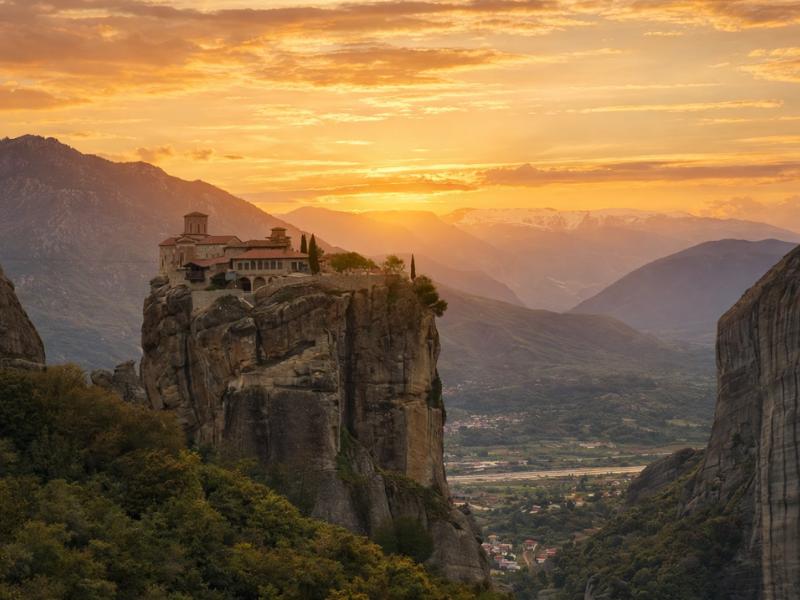
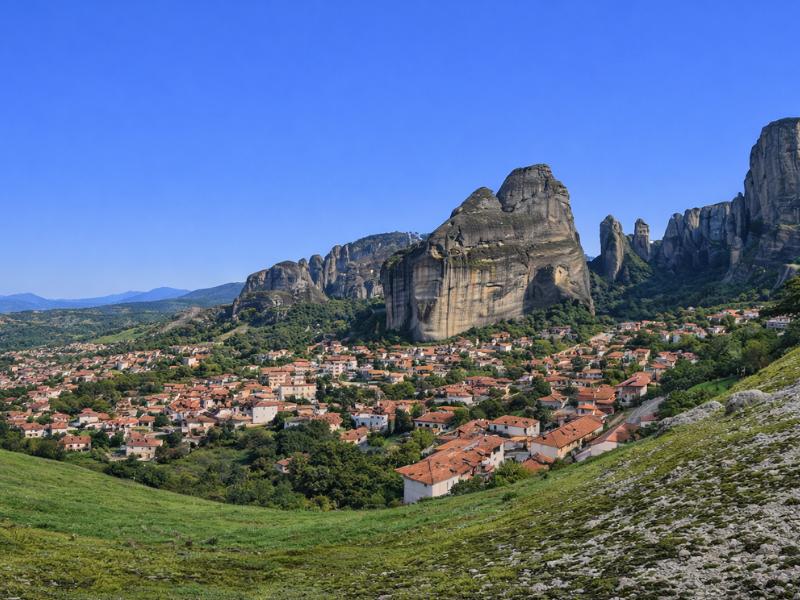
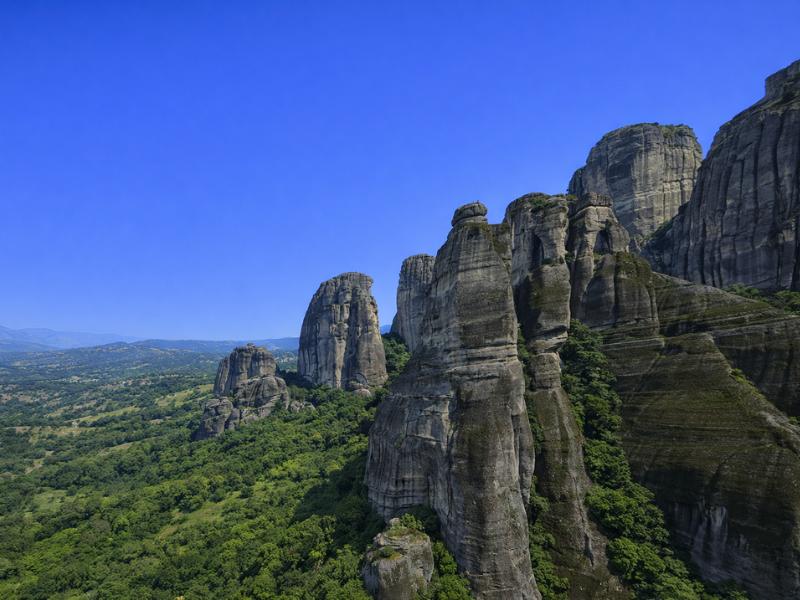
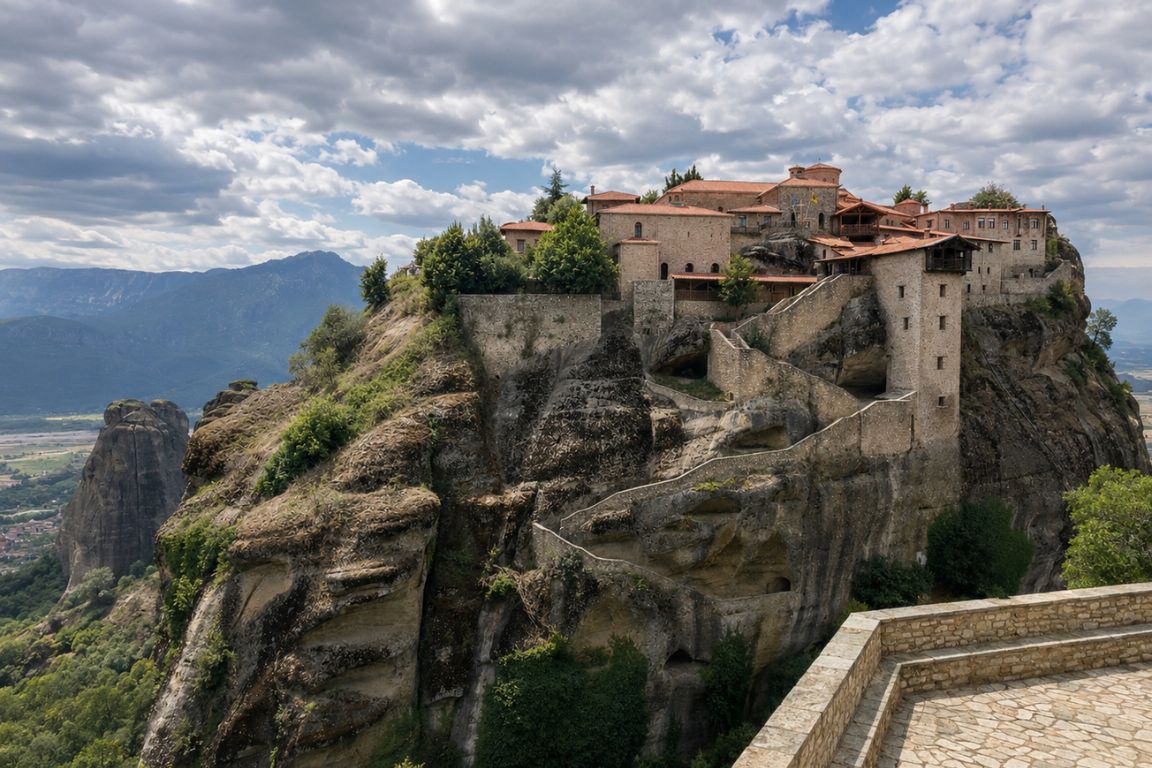
In the heart of mainland Greece, Meteora turns ordinary landscapes into something surreal—ancient monasteries perch impossibly on top of towering sandstone pillars, floating above valleys like they were dropped from the sky. Six active ones remain from the original 24, each with its own frescoes, relics, and sweeping views that change with every hour of light. Hike quiet trails between them, catch golden sunsets that set the rocks on fire, or just stand at a viewpoint watching mist roll through the pinnacles at dawn. It's peaceful, spiritual, and feels like nowhere else on Earth. With Meteora Tours, you'll visit the best monasteries without the rush, hike hidden paths to hermit caves, chase the perfect sunset spot, and leave with that quiet awe that lingers long after you go home.
Our expert team has been helping navigate and book Meteora tours and activities for tourists from all over the world for over a decade, ensuring you have a hassle-free trip with everything booked in advance.
With deep knowledge of the Meteora rock formations, monasteries, and Thessaly region, partnerships with the best local operators, and a passion for creating unforgettable experiences, we're committed to making your Meteora adventure truly extraordinary. From your first inquiry to your last tour, we're here to support you every step of the way.
Award-Winning Spiritual & Rock Formation Experience
Meteora Tours is recognized by leading travel platforms worldwide
Greece Meteora Excellence Award2024
Thessaly Explorer Choice Award2024
Best Meteora Tour Operator2024
Meteora Region Sustainable Heritage Tourism Award2025
Monastic Heritage & Rock Pillars Verified Excellence2023
Meteora travel questions
How do I get from Athens to Meteora on my own?
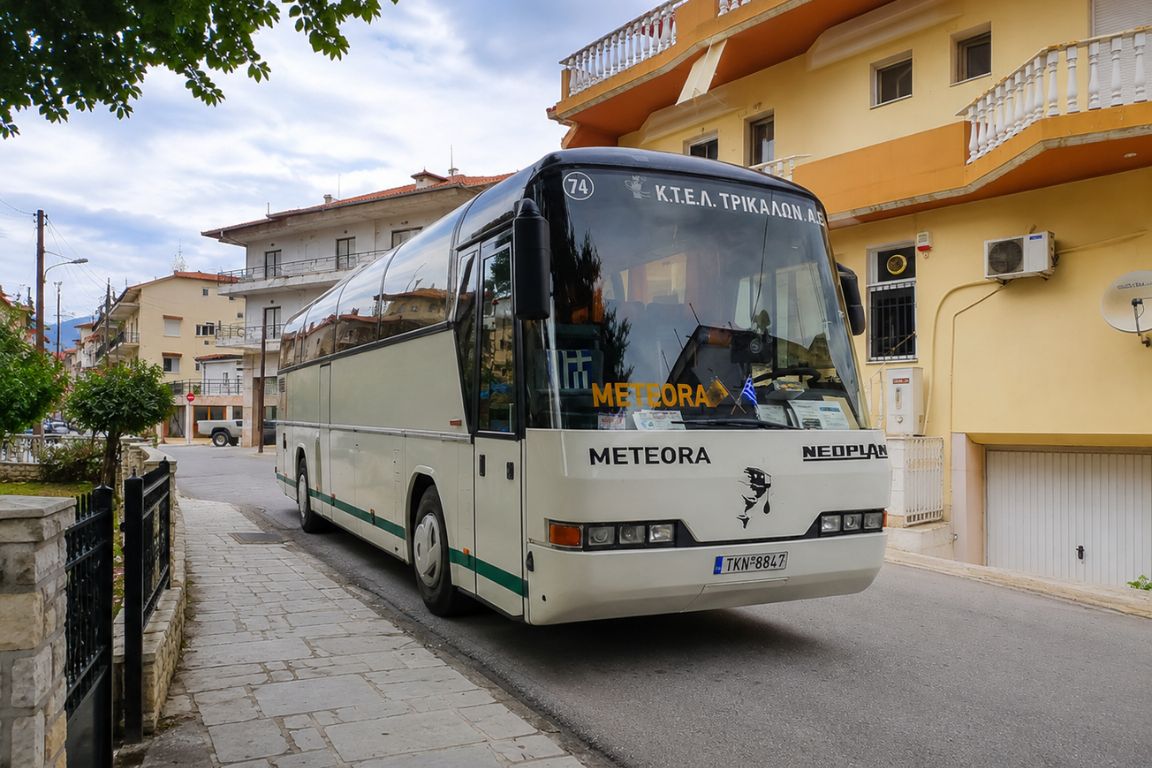
The easiest and most popular way to reach Meteora from Athens independently is by direct KTEL bus from Athens Terminal B (Liosion) to Kalambaka — it takes about 4.5–5 hours and costs €30–35 one-way (2025–2026 fares).
Buses depart several times daily (usually 7:30 AM, 1:00 PM, 3:30 PM, and sometimes evening options), are comfortable with air-conditioning and toilets, and drop you in Kalambaka (the main town below the monasteries). From Kalambaka, local taxis (~€15–20) or public buses (€2–3) take you up to the monasteries (Kastraki or specific parking areas). Book tickets online via ktel-trikala.gr or at the station (advance recommended in summer/high season).
Alternative options:
Train: Athens to Kalambaka via Larissa (Intercity train ~4–5 hours, €25–40 one-way) — scenic but slower and less frequent than bus.
Rental car: ~4 hours drive (350 km via E75 highway) — flexible for stopping at monasteries or viewpoints, but narrow mountain roads and parking can be tricky.
Private transfer: €250–350 one-way for 4 people — comfortable but expensive.
The KTEL bus is the best independent choice — reliable, affordable, and direct to Kalambaka.
You can book highly rated Meteora day tours from Athens (with round-trip transport, monastery visits, and expert guide — no logistics hassle) at /.
Can I do Meteora as a day trip from Athens?
Yes, you can do Meteora as a day trip from Athens — it's a very popular and well-organized option, with the total round-trip time around 12–14 hours (including 4.5–5 hours each way by bus or train).
Most day trips depart Athens very early (usually 6:00–7:00 AM) and return around 8:00–10:00 PM, giving you 5–7 hours on-site to visit 3–5 of the main monasteries (typically Great Meteoron, Varlaam, Rousanou, and St. Stephen’s), enjoy panoramic views, and have lunch. Guided tours include comfortable air-conditioned bus transport, an English-speaking guide, entrance fees to the monasteries (total ~€15–20), and sometimes a short stop at other sights (e.g., Delphi on longer routes).
Pros of a day trip:
Efficient and hassle-free — no need to book hotels or manage overnight logistics.
Affordable (~€80–150 pp, depending on group size and inclusions).
Covers the main highlights without rushing too much.
Cons:
Long travel time — you’ll spend more hours on the road than at Meteora.
Less time to relax, explore at your own pace, or catch sunrise/sunset light on the rocks.
Can feel tiring (early start + full day).
If you want a more relaxed experience with sunrise views, sunset colors, or extra monasteries, staying 1–2 nights in Kalambaka/Kastraki is better — but the day trip works perfectly well for most first-timers and is one of the most common ways to see Meteora.
You can book highly rated Meteora day tours from Athens (with round-trip transport, monastery visits, entrance fees, and expert guide) at Meteora Tours.
How many monasteries can I visit in one day in Meteora?
On a typical day trip to Meteora from Athens, you can realistically visit 4–6 monasteries — most guided tours cover 4 to 5 in a well-paced 5–7 hours on-site.
Visit 4–5 monasteries (usually Great Meteoron, Varlaam, Rousanou, St. Stephen, and often St. Nicholas).
Total time: 5–7 hours including walking, stairs, photography, and short breaks.
Some tours skip one or two (e.g., Holy Trinity or St. Nicholas) to avoid rushing.
Private tours can sometimes fit all 6 if you start very early and move quickly (possible but tiring).
Why not all 6 every time?
Opening hours vary (some close early or have different days off — e.g., certain monasteries close on Tuesdays or Wednesdays).
Each requires 30–60 minutes (including stairs, entry, photos).
Stairs are steep (especially Great Meteoron and Varlaam — 100–300 steps each).
Lunch break and travel between monasteries take time.
Verdict:
4–5 monasteries is comfortable and the standard on most day trips — you get the best highlights without feeling exhausted.
6 is possible on private tours with an early start and good planning, but it’s rushed and tiring (not recommended for first-timers or those with mobility concerns).
You can book highly rated Meteora day tours from Athens (covering 4–5 monasteries, round-trip transport, entrance fees, and expert guide) at /.
What is the entrance fee for Meteora monasteries in 2026?
Each of the six monasteries open to visitors in Meteora charges a separate entrance fee of €3 per adult in 2026 (the price has remained stable at €3 since at least 2018 and there are no announced increases for 2026).
Students (with valid ID) and seniors (65+) often get a reduced rate of €2 (show ID).
Greek Orthodox clergy, disabled visitors, and some other categories may enter free.
Fees are paid in cash at each monastery entrance (small booths).
You pay separately for every monastery you visit — no combined ticket exists.
Total for 4–5 monasteries (typical day trip) = €12–15 per adult.
You can book highly rated Meteora day tours from Athens (including transport, guide, and all monastery entrance fees usually covered) at Meteora Tours.
Dress code for entering Meteora monasteries – men and women?
Both men and women must dress modestly when entering the Meteora monasteries — shoulders and knees must be fully covered.
For women:
Long pants, long skirt, or maxi dress (knee-length or longer).
Top with sleeves that cover the shoulders (no tank tops, sleeveless shirts, or off-shoulder tops).
A light scarf or shawl is ideal to cover shoulders/chest if your top is short-sleeved.
For men:
Long pants (shorts are usually not allowed).
Shirt with sleeves (no sleeveless or very short-sleeve shirts; t-shirts are fine if sleeves cover shoulders).
Additional rules:
No hats, sunglasses, or shoes inside the monasteries (remove shoes at the entrance).
Clothing should not be tight, revealing, see-through, or ripped.
Loose, breathable fabrics (cotton, linen) are best in the summer heat.
Practical tip: If you arrive unprepared, most monasteries provide free or low-cost cover-ups (sarongs, shawls, or skirts) at the entrance — just ask politely. The dress code is strictly enforced at every monastery (guards check before entry), so it's better to come prepared.
Best time of day to visit Meteora monasteries to avoid crowds?
The best time of day to visit the Meteora monasteries to avoid crowds is early morning, right at opening time (usually 9:00–9:30 AM, depending on the monastery and season).
Independent day-trippers and photographers start coming mid-morning.
Arriving at opening lets you climb the stairs, visit the main monasteries (Great Meteoron, Varlaam, Rousanou, St. Stephen’s), and take photos with almost no people — the light is soft, the rocks look dramatic, and the atmosphere is peaceful.
Many visitors report the first 1–2 hours feel “empty” and “magical” compared to the busy midday.
Strong second choice: Late afternoon (after 3:00–4:00 PM until closing, around 5:00–6:00 PM depending on the season). Crowds thin out as buses leave, you get beautiful golden-hour light on the monasteries, and fewer people at the viewpoints — sunset colors on the rocks are stunning.
Avoid:
Midday (11:00 AM–3:00 PM) — peak time with tour groups, coaches, and long queues at popular monasteries (especially Great Meteoron and Varlaam).
Weekends and Greek public holidays — even busier than weekdays.
Quick tip: Start with the most popular ones (Great Meteoron and Varlaam) early — they fill up first. Later in the day, visit smaller or less-visited ones (Rousanou, St. Stephen’s) when crowds are thinner.
You can book highly rated Meteora day tours from Athens (with early-morning timing for fewer crowds, transport, guide, and monastery visits) at /.
Is sunrise or sunset better for Meteora views?
Both sunrise and sunset are spectacular at Meteora, but sunrise is generally considered better for most visitors — it offers the most dramatic, magical, and reliable views of the monasteries bathed in soft golden-pink light against a deep blue sky, with fewer people and a peaceful atmosphere.
Here’s a quick comparison:
Sunrise
Light: Soft, warm golden rays hit the rock pillars and monasteries from the east, creating glowing silhouettes and long shadows — the colors are often more intense and ethereal than at sunset.
Crowds: Almost empty — tour buses from Athens arrive later (after 9–10 AM), so you can enjoy the views and take photos without dozens of people in the frame.
Atmosphere: Serene and spiritual — the quiet morning mist, bird calls, and first light make it feel truly otherworldly.
Best spots: Great Meteoron (highest, panoramic sunrise), Varlaam (great eastern views), or the main road viewpoints near Kastraki.
Practical: Monasteries open around 9:00–9:30 AM, so you can watch sunrise from the road/parking areas or nearby hills, then enter as soon as they open.
Sunset
Light: Warm orange-red glow from the west, with the sun setting behind the rocks — beautiful, but the monasteries are often backlit (in shadow), so the effect is less “glowing” than sunrise.
Crowds: Busier — many day-trippers and sunset-focused groups stay late, so popular viewpoints and monasteries can get crowded.
Atmosphere: Romantic and cinematic, especially with golden-hour light on the rocks and distant plains.
Best spots: Rousanou or St. Stephen (western-facing), or the main road pullouts near Kastraki for wide sunset panoramas.
Verdict
Sunrise wins for the vast majority of visitors — clearer light, glowing monasteries, zero crowds, and a peaceful, almost spiritual start to the day.
Sunset is a strong second if you prefer warmer tones or can’t do an early start — still stunning, but busier and less “magical” for many.
Pro tip: Stay overnight in Kalambaka or Kastraki (very easy and affordable) — watch sunrise, visit monasteries early, then enjoy sunset before heading back to Athens. This is the way most photographers and repeat visitors do it.
You can book highly rated Meteora day tours from Athens (with early-morning timing for sunrise views and fewer crowds, transport, guide, and monastery visits) at Meteora Tours.
How hard is hiking in Meteora for beginners?
Hiking in Meteora is easy to moderate for most beginners — the trails are short, well-marked, and do not require any technical skills, climbing gear, or previous hiking experience.
Here’s a realistic overview for 2025–2026:
Main trails (between the monasteries):
Most popular paths are 1–3 km long and take 30 minutes to 1.5 hours round-trip.
Difficulty: Easy to moderate — gentle uphill/downhill, mostly dirt paths or stone steps, some loose gravel or uneven sections.
Elevation gain: Usually 100–300 meters total — not steep like a mountain climb, but enough to get your heart rate up.
Terrain: Well-trodden, no exposure (no sheer drops), no ropes needed.
Typical beginner itinerary (most common day trip):
Walk from Great Meteoron to Varlaam (~20–30 min, gentle slope).
Varlaam to Rousanou (~30–45 min, some downhill steps).
Rousanou to St. Stephen (~15–20 min, easy and flat).
Total walking: 2–4 km, 1.5–3 hours spread over the day with plenty of breaks for photos, monastery visits, and rest.
What makes it beginner-friendly:
No long continuous ascents — you drive or take the bus between monasteries and walk short connecting trails.
Paths are wide, shaded in places, and have viewpoints/benches.
Guides on tours adjust pace, provide water, and help with photos.
Thousands of beginners (including families with teens and seniors) do it every year without issues.
What to be aware of:
Summer heat (30–35°C+ in July–August) can make it feel harder — bring water, sun protection, and go early.
Stairs inside monasteries (100–300 steps each) are steeper than the trails — take them slowly.
If you have knee/back problems or very low fitness, stick to the road viewpoints and fewer stairs.
Verdict: Hiking in Meteora is very doable for beginners — it's more like pleasant walking between breathtaking viewpoints than serious trekking. Most people find it enjoyable and not exhausting when done at a relaxed pace.
You can book highly rated Meteora day tours from Athens (with easy walking trails, monastery visits, transport, and guide) at Meteora Tours.
Best hiking Meteora trail to see hidden hermit caves?
The best hiking trail to see hidden hermit caves in Meteora is the Path of the Hermits (also called the Hermit Trail or Monks' Path) — a moderately easy 4–6 km loop starting from Kastraki village that takes you past several ancient, lesser-known hermit caves and rock shelters used by monks centuries ago.
This trail stands out because:
It passes multiple hidden caves (small rock cavities, some with remnants of ladders or steps carved into the rock) that are off the main tourist paths and not accessible by road.
You get close-up views of the dramatic sandstone pillars where hermits lived in isolation (some caves are still visible from the trail, though many are high up and require binoculars for details).
The path combines beautiful forest sections, panoramic viewpoints of the monasteries, and a sense of exploration.
Trail details:
Difficulty: Easy to moderate — mostly gentle uphill/downhill on dirt paths and stone steps, no technical climbing needed. Suitable for beginners with average fitness (some uneven sections and a few steeper bits).
Length & time: 4–6 km round-trip, 2–4 hours depending on pace and photo stops.
Elevation gain: ~200–300 meters total.
Starting point: Kastraki village (park near the main road or at the trailhead sign near the old monastery ruins).
Best time: Early morning (cooler, fewer people, soft light on the rocks) or late afternoon (golden hour on the cliffs).
Season: Spring (April–May) or autumn (September–October) — best weather, fewer crowds, and beautiful colors.
Bring water, sunscreen, and a hat — exposed sections can be hot.
Use a map/app (AllTrails or Maps.me has the trail marked) or join a guided hike for safety and stories about the hermits.
Respect the sites — no entering active hermit areas or disturbing anything.
This trail gives you the most authentic “hidden hermit cave” feel without needing to climb dangerous routes.
You can book highly rated Meteora day tours from Athens (with easy guided hikes to hidden hermit caves, monastery visits, transport, and expert guide) at /.
Is a guided hiking Meteora tour worth it over self-guided?
Yes, a guided hiking tour is worth it for most first-time visitors to Meteora — it offers significantly more safety, context, and enjoyment than going completely self-guided, especially if you’re new to the area or want to maximize your time without stress.
Here’s a clear comparison:
Guided hiking tour
Expert local guide who knows the best trails, hidden hermit caves, viewpoints, and shortcuts — they point out historical details, monk stories, and wildlife you’d miss alone.
Safety — guides handle route planning, weather checks, group pace, and emergencies; they know which paths are currently safe (some trails can be slippery or closed after rain).
Efficiency — optimized itinerary to see the most monasteries and hidden spots in 5–7 hours without wasting time on wrong turns or dead ends.
Logistics — transport from Athens (or Kalambaka/Kastraki) included, entrance fees often covered, and no need to worry about bus schedules or parking.
Social & fun — small groups (8–15 people) create a relaxed vibe, with time for photos and questions.
Total freedom — go at your own pace, linger at favorite monasteries, or explore extra trails.
Cheaper — only pay monastery entrance fees (€3 each, total €12–18 for 4–6 monasteries) + bus/taxi costs.
Requires planning — you need to research trails (use AllTrails or Maps.me), manage transport to/from monasteries, and time your visits around opening hours (many close early or have different days off).
Riskier — easy to get lost on unmarked paths, miss hidden caves, or overexert on steep stairs in heat.
Less context — you’ll see the monasteries but miss the deeper stories about the hermits, Byzantine art, and history.
Verdict
Guided is better if:
It’s your first visit
You want the full story and best hidden spots
You prefer hassle-free transport and safety
You’re short on time (day trip from Athens)
Self-guided is fine if:
You’re staying 2+ nights in Kalambaka/Kastraki
You love independent exploring
You’re comfortable with maps and moderate hiking
Most first-time visitors choose guided — it’s the easiest way to experience Meteora’s magic without stress.
You can book highly rated guided Meteora hiking tours from Athens (small groups, expert guides, monastery visits, hidden hermit caves, transport, and entrance fees) at Meteora Tours.
Best month to visit Meteora for good weather and fewer crowds?
October is the best month overall for a great balance of good weather and significantly fewer crowds in Meteora.
Here’s why October stands out in 2025–2026:
Weather: Still pleasantly warm during the day (18–24°C / 64–75°F), cool evenings (8–12°C), mostly sunny with low chance of rain (rainy season is mostly over by late September). Clear skies are frequent, making the monasteries and rock pillars look dramatic against blue skies — perfect for photography.
Crowds: Much lower than summer (June–August) and even quieter than September — many tour groups and day-trippers from Athens drop off after the summer peak, so trails, monasteries, and viewpoints feel peaceful.
Colors: Autumn foliage starts in October (golden-yellow leaves on trees), adding beautiful contrast to the grey rock pillars and red-roofed monasteries.
Practical perks: Lower accommodation prices in Kalambaka/Kastraki, easier parking, shorter lines at Great Meteoron/Varlaam, and more relaxed pace for sunrise/sunset visits.
Quick monthly ranking:
October — top choice: excellent weather, low crowds, beautiful light/autumn colors.
May — very strong second: warm (20–26°C), spring green, blooming flowers, low crowds before summer rush.
April — good but cooler (15–22°C), occasional rain, very quiet.
November — still decent (14–20°C), even fewer people, but shorter days and cooler nights.
June & September — good weather, but crowds start building (June) or linger (September).
July–August — hot (30–35°C+), very crowded, hazy views — least ideal.
Verdict: October gives you the most comfortable weather, clearest skies, stunning autumn scenery, and the fewest crowds — the ideal sweet spot for Meteora.
What should I pack for a Meteora day trip?
Pack comfortable walking layers, sun protection, and modest clothing for monastery visits — Meteora involves moderate hiking on uneven paths, steep stairs (100–300 steps per monastery), and changeable weather (hot sun in summer, cooler mornings/evenings, possible wind).
Clothing (must be modest for monasteries — shoulders & knees covered):
Long lightweight pants or knee-length skirt (quick-dry hiking pants or leggings work great).
Long-sleeve top or t-shirt + light scarf/shawl (to cover shoulders when entering monasteries).
Comfortable walking shoes or sturdy trainers with good grip (essential for stairs, gravel paths, and rocky trails — no flip-flops or heels).
Light jacket or fleece (cool mornings, windy viewpoints, or evenings).
Sun & weather protection
High-SPF sunscreen (reapply often — strong sun on exposed rocks).
Lip balm with SPF.
Hat or cap + polarized sunglasses (UV is intense even in spring/fall).
Small microfiber towel (for sweat or light dust).
Other essentials
Reusable water bottle (1–1.5 L — stay hydrated, especially in summer).
Small daypack or cross-body bag (hands-free for water, phone, snacks).
Snacks/energy bars (lunch is usually included in tours, but extras for picky eaters or long waits).
Cash in small bills (€5–10 notes) — some monasteries sell postcards or small souvenirs.
Phone/camera + power bank (lots of photo opportunities — sunrise/sunset light is magical).
Basic first-aid (band-aids, blister plasters — stairs can be tough on feet).
Optional but useful
Binoculars (great for spotting distant views or wildlife on rocks).
Light rain jacket/poncho (rare showers possible, especially spring/fall).
Insect repellent (occasional flies in warmer months).
Pack light — tours use comfortable buses, and you’ll spend most time walking short trails between monasteries. Focus on modest, comfortable, sun-protective clothing and good shoes — that’s the key for an enjoyable day.
Are kids allowed in the Meteora monasteries?
Yes, children of all ages are allowed in all six Meteora monasteries open to visitors — there are no age restrictions for entry.
Kids are very welcome, and families visit daily. Many of the monasteries are family-friendly:
St. Stephen is the easiest for young children — it has the fewest stairs (flat access, no long climbs) and is often called the most accessible.
Rousanou and St. Nicholas Anapafsas have moderate stairs but are still manageable for older kids.
Great Meteoron and Varlaam have the most steps (100–300 each) — toddlers/very young children may need to be carried, but older kids (6+) usually handle it fine with breaks.
Holy Trinity has a long staircase but is doable with help.
Practical tips for families:
Dress code applies to children too (shoulders and knees covered — same as adults).
Bring water, snacks, and sun protection (summer heat + stairs can tire kids quickly).
Take breaks — there are shaded areas and benches at most monasteries.
Guided tours are great — guides adjust pace for families, explain things simply, and help with kids on stairs.
Entrance fee is €3 per adult (children under 12 usually free).
The monasteries are safe and interesting for kids — they love the dramatic rock pillars, views, and stories of the monks.
You can book highly rated family-friendly Meteora day tours from Athens (with transport, guide, easy pacing for kids, and monastery visits) at Meteora Tours.
Can I pay Meteora monastery fees by card or only cash?
At the Meteora monasteries in 2026, entrance fees (€3 per monastery) are almost always cash-only — card payments are not reliably accepted at the ticket booths.
Most recent visitor reports and guides confirm that the small entrance booths (run by the monasteries themselves) prefer or require cash in euros (small bills like €5 or €10 work best). Some may accept cards occasionally (especially at Great Meteoron or Varlaam, the most visited), but it's inconsistent and depends on the day/staff — many people still get turned away if they only have cards.
Practical tips:
Bring enough cash: €15–20 in small notes covers 5–6 monasteries + any extras (postcards, water, etc.).
ATMs are available in Kalambaka and Kastraki (withdraw before heading up to the monasteries).
If on a guided tour, fees are usually paid in advance by the operator (included in the tour price) — you don’t need cash on the day.
Always have some cash as backup — even if one monastery takes card, the next might not.
Is Meteora safe for solo travelers?
Yes, Meteora is very safe for solo travelers in 2025–2026 — one of the safest and most peaceful destinations in Greece for independent visitors, including solo female travelers.
The area (Kalambaka and Kastraki towns + the monasteries) has extremely low crime rates, almost no reports of theft or harassment against tourists, and a calm, family-oriented local community. The monasteries themselves are well-patrolled, with staff, visitors, and security presence during opening hours.
Key safety points for solo travelers:
Low crime: Violent crime is virtually nonexistent. Petty theft (pickpocketing or bag snatching) is extremely rare — far lower risk than Athens, Thessaloniki, or even many European cities.
Solo female travelers: Consistently report feeling very comfortable — locals are respectful, monasteries are busy with families/groups, and walking around Kalambaka/Kastraki during the day and early evening is safe and welcoming. Nighttime is quiet (towns are small and safe to walk).
Main concerns (minor):
Steep stairs at some monasteries (Great Meteoron, Varlaam) — take them slowly, use handrails, and carry minimal items.
Sun/heat in summer — stay hydrated and wear sun protection.
Isolated trails — stick to marked paths and main viewpoints (no need to hike remote areas alone).
Driving — if renting a car, mountain roads are narrow; drive carefully.
Use guided day tours from Athens or local — adds social element, transport, and local knowledge.
Walk around town in daylight — evenings are calm, but most solo travelers prefer to be back by dusk.
Keep phone charged and share location with someone (standard precaution).
Carry small cash (some monastery fees are cash-only) and a card.
Solo travelers (including many women) frequently describe Meteora as “peaceful,” “welcoming,” and “one of the safest places in Greece” — perfect for quiet reflection, photography, and enjoying the monasteries without stress.
You can book highly rated small-group or private Meteora day tours from Athens (with comfortable transport, expert guide, and added security in a group) at /.
One day enough for Meteora or stay overnight?
One full day is usually enough to see the main highlights of Meteora if you’re coming from Athens — most people do it as a long day trip and feel satisfied with the experience.
A typical day trip (12–14 hours total) lets you visit 4–5 of the six main monasteries (Great Meteoron, Varlaam, Rousanou, St. Stephen’s, and often St. Nicholas), enjoy the views from the road and short trails, and take photos of the rock pillars and monasteries. Guided tours handle transport, entrance fees, and timing so you don’t feel rushed, and you’re back in Athens by evening.
However, staying overnight (1–2 nights in Kalambaka or Kastraki) is significantly better and more rewarding for almost everyone who can do it. Here’s why:
Advantages of staying overnight
Sunrise & sunset magic — the monasteries look incredible at golden hour and sunrise (soft pink/orange light on the rocks) — something you miss on a day trip.
Fewer crowds — you can visit early morning (before buses arrive) and late afternoon when the sites are nearly empty.
More relaxed pace — time to walk between monasteries, explore hidden trails, see more hermit caves, and enjoy the peaceful atmosphere without a tight schedule.
Better photos — multiple lighting conditions and quieter moments.
Local feel — evenings in Kalambaka/Kastraki are quiet and charming (great tavernas, views from your hotel balcony).
Extra time — visit all 6 monasteries, do longer hikes, or just sit and soak in the views.
Verdict
One day → enough for the main monasteries and classic views — perfect if you’re short on time or prefer to base in Athens.
Overnight (1–2 nights) → highly recommended — most visitors who stay say it’s “twice as good” and the real Meteora experience (the sunrise/sunset and calm are unforgettable).
You can book highly rated Meteora day tours from Athens (ideal for one-day highlights with transport and guide) or multi-day options with overnight stays in Kalambaka/Kastraki at Meteora Tours.
A Typical Tour Day at Meteora
One full day in the park, hour by hour, the way the guided tours actually run it.
7:45 amDepart Athens by private bus
12:00 pmArrive Kalambaka, first views of the rock formations
12:30 pmGreat Meteoron Monastery, largest of the six
2:00 pmVarlaam Monastery, Byzantine frescoes and net tower
3:00 pmLunch in Kalambaka town, free time
4:00 pmHermit caves at Bandovas, hidden cliff dwellings
5:00 pmRousanou and Holy Trinity monasteries, exterior views
5:45 pmSunset viewpoint, Thessaly plain below
6:30 pmDepart for Athens
10:15 pmReturn to Athens
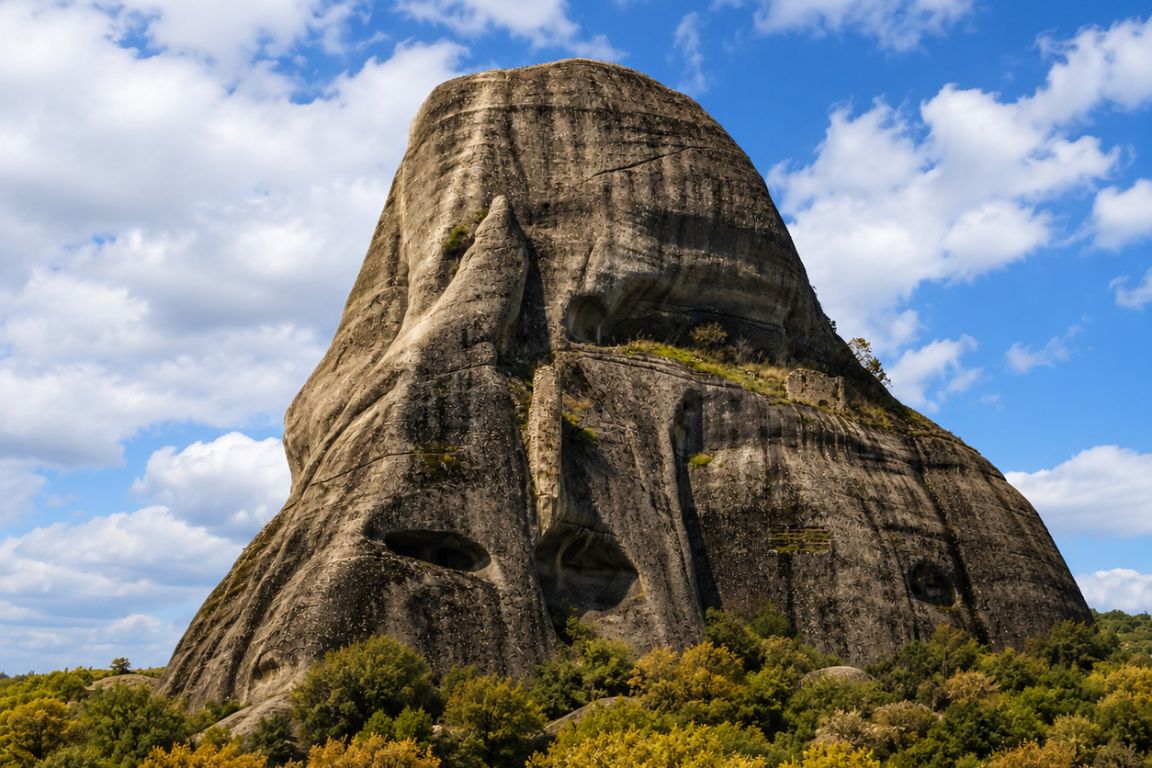
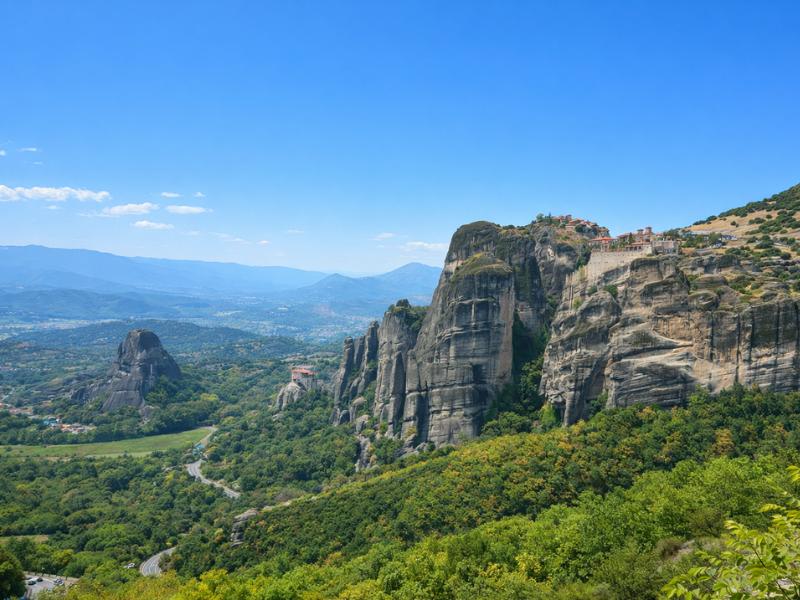
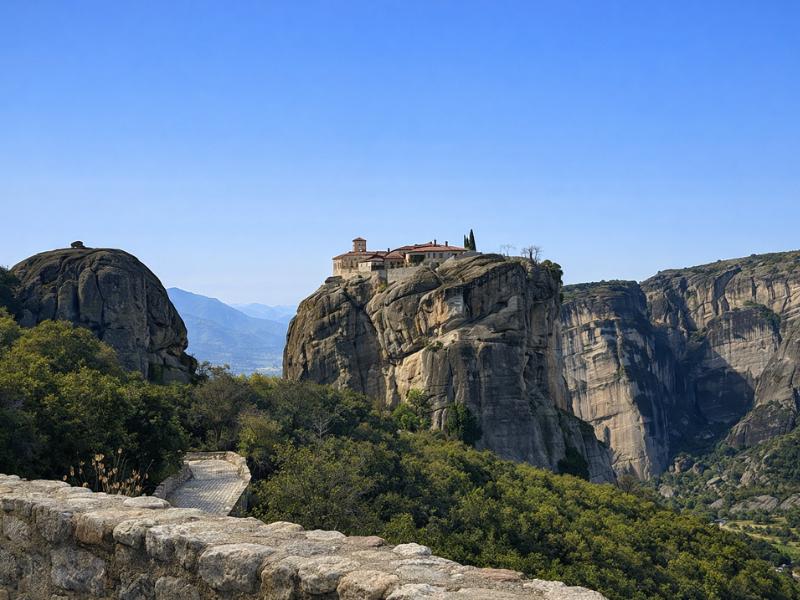
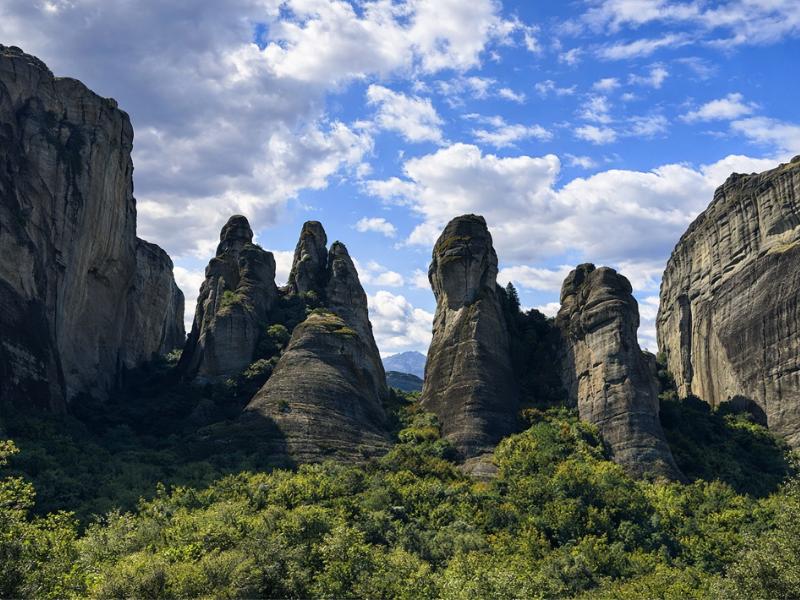
The drive from Athens to Meteora takes about four hours through the Greek heartland, and the arrival into the Thessaly plain as the rock pillars come into view is one of those geographic moments that operates before your brain has properly decided how to process it. The pillars are not mountains. They are vertical columns of conglomerate rock rising sixty to four hundred meters from a flat plain, each one topped with either a monastery, the ruins of a monastery, or the ledges where monks lived as hermits in caves before the monasteries were built. The geological explanation, sediment from an ancient lake compressed into rock and then sculpted by millions of years of wind and water, accounts for how they exist. It does not fully account for why they produce the effect they do, which is closer to disorientation than admiration. The guides at Meteora Tours use the drive into Kalambaka to prepare clients for this rather than letting it arrive without context.
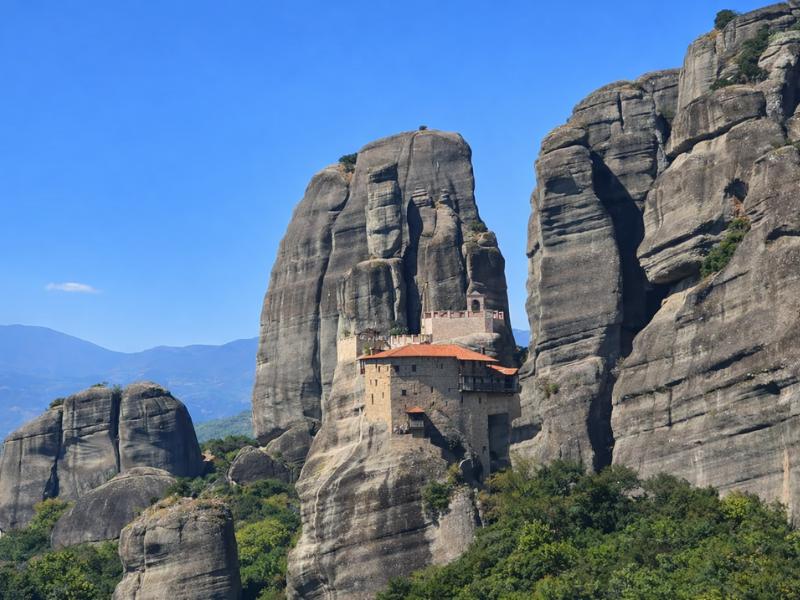
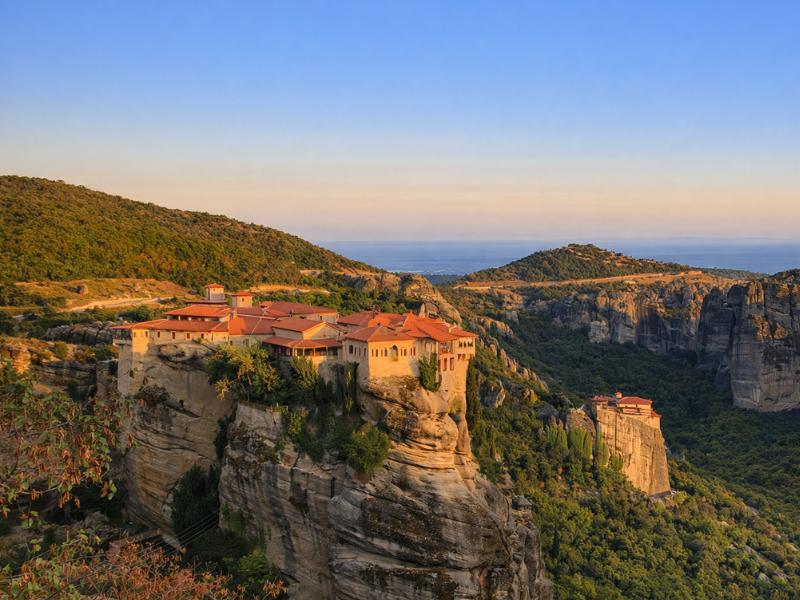
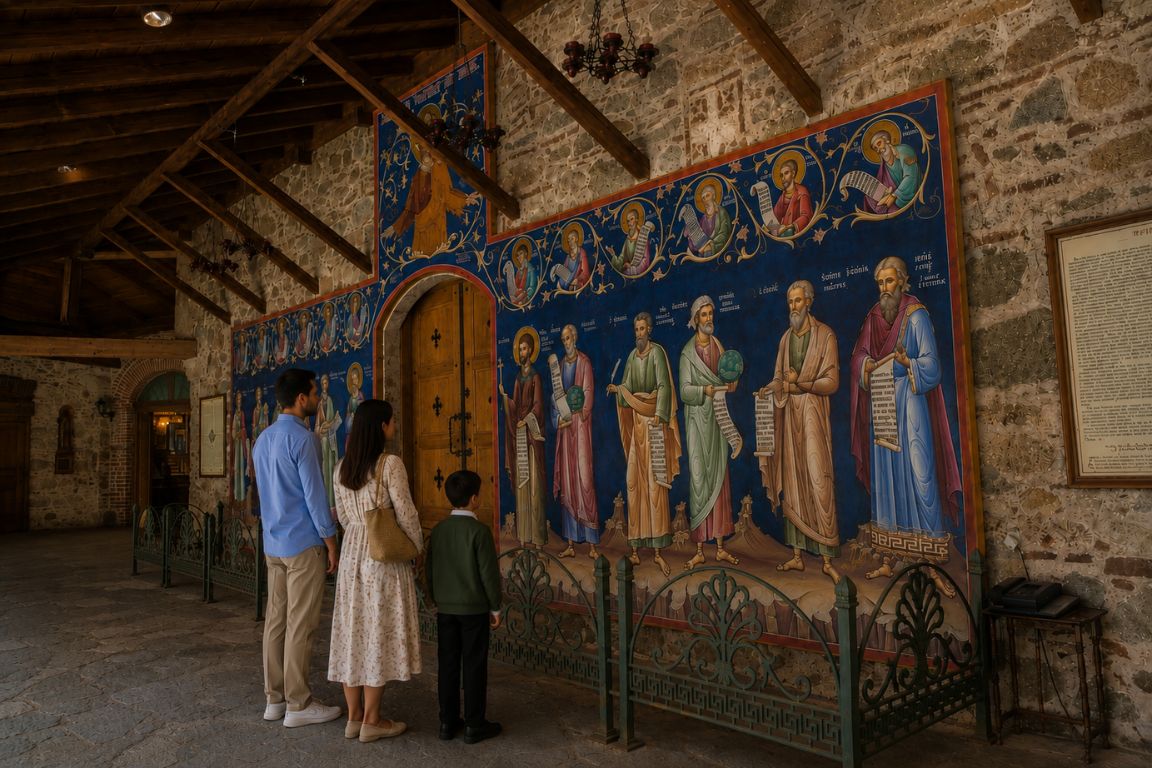
The Great Meteoron is the largest and oldest of the six active monasteries, founded in the 14th century and expanded over the following two hundred years into a complex that contains a Byzantine museum, a charnel house, and a church decorated with frescoes whose colors remain saturated after six centuries. The guides explain Byzantine iconography in a way that makes the images legible rather than decorative, the theological logic behind the placement of specific figures in specific locations within the church interior, and the daily schedule the monks still maintain within these walls. Meteora is a functioning monastic community, not a museum, and the guides manage the group’s comportment accordingly. Covered shoulders and knees are required for entry to any monastery, and the guides brief clients thoroughly before the first entrance so that no one is turned away at the door.
Here is what we tell clients honestly before the monastery visits: dress code is enforced and non-negotiable. Women need covered shoulders and a skirt or trousers below the knee, and wrap skirts are available at the entrance if needed. Men need covered shoulders and long trousers. This applies regardless of the temperature, which in summer can be significant. Clients who dress appropriately from the start avoid the frustration of borrowing coverings at the entrance, and more importantly arrive inside the monasteries already in the right frame of mind for what they’re entering. The visits work best when clients slow down. The frescoes reward time. The views from the monastery terraces over the Thessaly plain, visible between the columns and arches, are worth standing at rather than photographing and moving on from.
The hermit caves at Bandovas are the stop most clients did not know to expect and most remember longest. Before the monasteries were built, the first Christian ascetics who came to Meteora in the 9th and 10th centuries lived in the caves and crevices of the rock faces, accessible only by rope ladders and nets. The guides descend into the canyon below the main road to reach the caves, and the scale of the rock above while standing at the cave entrances is a different experience from the monastery terraces above. The carved chapels inside the caves, tiny spaces with faded frescoes still visible on the walls, make the abstraction of hermit life suddenly concrete. These are not large spaces. The people who chose to live here were making a specific argument about the world with their bodies, and the guides convey that without romanticizing it.
The sunset at Meteora is the reason Meteora Tours runs an evening option separately from the morning visits, and it is also why full-day clients from Athens time their monastery visits to end with the light. When the sun drops toward the Pindus Mountains to the west and the rock pillars catch the last direct light, the conglomerate stone turns amber and then deep orange and then something closer to red, and the monasteries perched on top of them appear to float even more decisively against the darkening plain below. Our guides know the viewpoints that most visitors do not find independently, positions among the rocks rather than on the paved overlooks, and the twenty minutes at the right spot at the right moment is the image clients carry home from the day regardless of everything that preceded it.
Average Tour Prices at Meteora, Greece
Tap a column heading to sort.
Prices below are what you’ll pay when booking through verified operators online. They are current as of early 2026. Meteora is a UNESCO World Heritage Site in central Greece, about 350 km northwest of Athens and 220 km south of Thessaloniki. The closest town is Kalambaka, served by train from Athens (roughly 4.5 hours) and by intercity bus. Driving from Athens takes approximately the same time. Meteora’s six active monasteries are perched on dramatic sandstone pillars that rise up to 400 metres above the Thessaly plain; each monastery has specific opening days and hours that rotate throughout the week, which is one of the practical reasons a local guide adds real value here. The best visiting seasons are spring (March to May) and autumn (September to November); summer crowds peak in July and August.
Meteora Tours: What Each Experience Costs Online
Local Tours Based in Kalambaka (for visitors already at Meteora)
Monastery entrance fees (typically €3 to €5 per monastery, cash only) are paid separately on the day and not included in tour prices. Photography inside the monasteries is prohibited. The $35 and $36 local tours are among the best-value guided experiences in Greece at any destination. All day trips from Athens include round-trip transport in an air-conditioned coach; journey time is approximately 4.5 to 5 hours each way. The $93 tour includes a traditional Greek lunch in Kalambaka; the $76 version does not include the meal but is otherwise comparable in coverage.
Online vs. Self-Guided from Kalambaka vs. Athens Hotel Tour Desk: How Booking Method Affects What You Get
Book Online in Advance (via verified operators like Meteora Tours)
$35 to $93 for small-group tours; $146 for 2-day package; $268 to $838 for private tours
Low: guide assigned, hotel pickup from Kalambaka or central Athens confirmed, monastery schedule managed around opening days; the sunset and early morning tours fill quickly in summer and over Greek public holidays; the 2-day Athens package requires advance hotel booking; free cancellation on most tours 24 hours ahead
Self-Guided Visit from Kalambaka (arrive independently by train or car, visit monasteries directly)
Monastery entrance fees only (~€3 to €5 each, cash)
Medium: reaching the monasteries independently requires a rental car or one of the local buses that run a limited circuit; the six monasteries operate on a rotating schedule meaning not all are open on any given day, and determining which ones are accessible on your specific date requires advance research; the hermit caves, hidden viewpoints, and trail routes that guides use are not well-signposted; independent visits to the monasteries are entirely possible and many travelers do them successfully, but the context and logistics genuinely benefit from a guide
Athens Hotel Tour Desk (day trip arranged through your Athens accommodation)
Typically comparable to direct online rates; occasionally bundled with other Athens tours
Low logistics, comparable cost: Athens hotels actively sell Meteora day trips and the quality is generally consistent with the tours available online; useful if you are already booking multiple Athens excursions through a single operator for convenience, but booking directly through Meteora Tours is the more flexible approach
The Honest Case for Booking with Meteora Tours in Advance
The $35 and $36 local tours are, in our experience, the most straightforward argument for booking a guided tour anywhere in this portfolio. The monasteries are extraordinary, but without context, a visitor walks through them without understanding that they were built by monks who hauled materials up sheer rock faces by rope and basket starting in the 14th century, that they survived Ottoman occupation by remaining largely inaccessible, and that the hermit caves beneath and around the pillars predate the monasteries by centuries. The guide is not translating information that is available on signage; there essentially is no signage. The history exists in what a local guide carries in their knowledge and chooses to show you.
The sunset tour at $35 and the morning tour at $47 are genuinely different experiences rather than the same product at different times of day. The morning tour benefits from cooler temperatures, fewer visitors, and the chance to enter monasteries before tour coach crowds from Athens arrive around midday. The sunset tour moves through the landscape during golden hour when the sandstone pillars turn amber and the shadows lengthen across the plain below, ending at a viewpoint most independent visitors do not know exists. Both are 4-hour tours from Kalambaka. Visitors staying overnight in Kalambaka often do both on consecutive days, which is the approach we most commonly recommend.
The Athens day trips deserve a realistic appraisal. A 14-hour day that includes roughly nine to ten hours of round-trip driving is a long day. The $76 and $93 versions are viable and consistently deliver satisfied travelers, but the experience is more compressed than spending a night in Kalambaka. The practical advantage of the 2-day overnight package at $146 is not just the additional time at the site; it is also the morning light and evening quiet that are simply unavailable to day-trippers from Athens. Visitors who have more than three days in Greece and genuinely want to understand Meteora rather than check it off a list find the 2-day option delivers something qualitatively different from even the best single-day trip.
How to Visit Meteora
Meteora is one of those destinations where the photographs do not fully prepare you for the scale of what you see in person. Monasteries sitting on top of vertical sandstone columns, hundreds of metres above the valley floor, built by monks who initially reached them by rope and basket. It is genuinely unlike anywhere else in the world, and the visit rewards people who understand a few things before they arrive. Here is what the team at Meteora Tours tells first-timers when they start planning.
1
Get to Kalambaka, the town at the base of the rocks.
Most visitors come from Athens. The direct KTEL bus from Athens Terminal B (Liosion Street) takes around four and a half to five hours and costs approximately €30 to 35 one way, with several departures daily. The intercity train via Larissa is a similar journey time. If you are coming on a guided day tour from Athens, transport is included and you depart around 7 to 7:45 AM, arriving at Meteora by late morning. Kalambaka is the main accommodation base; the smaller village of Kastraki, a few kilometres closer to the rocks, is quieter and has better views from the hotels.
2
Stay at least one night if you can.
This is the advice we give everyone. A day trip from Athens is entirely feasible and covers four to five monasteries, which is the main draw. But the day trip format means you arrive when buses arrive, see things when other buses are there, and leave when the light is turning golden. Staying one night in Kalambaka or Kastraki lets you watch sunrise from near the rocks before any tour group appears, visit the monasteries in the first hour of opening when the site is quiet, and be there for sunset when the sandstone pillars go orange and the light is extraordinary. The difference between a day trip and an overnight is significant.
3
Understand the monastery visiting rules before you arrive.
There are six monasteries open to visitors. Each charges €3 entry, payable in cash only at the booth, so bring small euro notes. Both men and women must have shoulders and knees covered to enter. Most monasteries provide free cover-ups at the entrance if you arrive unprepared, but it saves time and discomfort to dress right from the start. Lightweight long trousers and a shirt or light scarf cover all requirements comfortably. Opening hours vary by monastery and some close on specific days of the week, so check before you plan your order of visits.
4
Go early in the morning for the best experience.
Tour buses from Athens typically start arriving around 10 to 11 AM. Getting to the monasteries at opening, around 9 to 9:30 AM, gives you an hour or more before the site fills up. The light in the early morning is softer and better for photographs, the stairs and paths between monasteries are quiet, and you can stand at a viewpoint with the valley spread below you without fifty other people nearby. If you are staying overnight, this is straightforward. If you are on a day tour from Athens, ask the operator which departure time gets you there earliest.
5
Plan your monastery order thoughtfully.
The six are spread along a road that loops through the rock formations. Great Meteoron is the highest and largest, with the best panoramic views and the most steps. Varlaam has some of the finest frescoes and a historic rope-and-net tower still intact. Rousanou is a nunnery perched on a narrower column with an almost vertiginous setting. St. Stephen requires the fewest stairs and suits visitors with mobility concerns well. Most people do Great Meteoron and Varlaam first while energy is high, then work through the others. Four to five in a day is comfortable; all six is possible but tiring.
The weather in October is warm and clear, typically 18 to 24 degrees, the autumn light is exceptional for photography, the foliage adds colour to the valley below the rocks, and the crowds are a fraction of what they are in July and August. May is a strong alternative for spring visitors. Summer from July through August is hot, hazy, and busy. If those months are all you have, go very early and accept that you will share the site with many others by mid-morning.
7
Wear proper footwear and dress for the stairs.
The paths between monasteries involve uneven stone, loose gravel, and occasionally steep sections. Each monastery has between 100 and 300 steps inside, some narrow and worn smooth over centuries. Comfortable walking shoes or trainers with grip are essential. Flip-flops or sandals without ankle support make the stairs uncomfortable and the paths genuinely slippery in places. Bring water and sunscreen regardless of season. The summer heat on exposed rock faces is more intense than it looks from the valley.
8
The one thing most first-timers get wrong:
arriving at Meteora with a single camera battery and assuming there will be somewhere to charge it on site. There is not. The monasteries do not have accessible power points for visitors, and the car parks and viewpoints are simply outdoors. Between the scenery, the monasteries, the hiking trails, and the changing light, most visitors take far more photographs than they expect. Bring a fully charged power bank and a spare battery if you have one. Missing the sunset because your phone died at 4 PM is a specific kind of frustration that a lot of people experience unnecessarily.
Most Popular Meteora Tours
Tap a column heading to sort.
Meteora draws visitors almost entirely from Athens, and the booking data at Meteora Tours reflects that geography with unusual clarity. The site is roughly five hours from the capital by road, which means nearly everyone arrives on a guided day trip rather than independently, and the question they’re really asking when they book is: which version of this long day will feel worthwhile? The three tours that lead by volume answer that question in three meaningfully different ways.
Travelers departing Athens who want the complete Meteora experience with expert commentary, three monastery interiors, hidden hermit caves, and a traditional Greek lunch built into the day
7:45 AM departure from near Athens Central Railway Station, all six monasteries visited with three entered for detailed guided tours, St. George Mandilas cave and hidden hermit caves, free time in Kalambaka town, traditional Greek meal with salad, main course and water, return to Athens around 10:15 PM
Budget-conscious travelers from Athens who want a solid full-day tour covering all six monasteries, hermit caves, and panoramic viewpoints with optional upgrades for lunch or a private guide
All six monasteries including guided interiors at three, hidden hermit caves most visitors miss, panoramic photo viewpoints, optional coastal village stops on the return, upgradeable to private guide or overnight hotel, return to Athens same evening
Travelers already based in Kalambaka or Kastraki who want a focused, affordable evening experience timed for golden hour with a guide who knows the best viewpoints
One monastery visit, Byzantine church, centuries-old Bandovas hermit caves, secret sunset viewpoint over the rock pillars and Thessaly valley, expert local guide with historical context, small group for an uncrowded end-of-day experience
4.9 (7,141+ bookings)
The gap between first and second place here reflects something specific: the $17 price difference between the two full-day Athens tours is justified by the included Greek meal and what appears to be a slightly more consistently rated guide experience. Both cover the same ground in the same time, which means thousands of travelers chose the more expensive option and found it worth it. The sunset tour’s 4.9 rating with over 7,000 bookings is the most interesting data point: at $36 it is by far the lowest-priced tour on the site, runs only four hours, and consistently outperforms everything else in the ratings. Meteora Tours sees this pattern among guests who arrive a day or two early, settle into Kalambaka, and then add the sunset experience as an unhurried evening out rather than a logistics challenge from Athens.
Location
Meteora sits in the Trikala region of central Greece, in the Thessaly plain near the town of Kalambaka, with no airport of its own and the nearest major airports being Thessaloniki (SKG) about 2.5 hours away and Athens (ATH) about 4 to 5 hours by road or train. The site is a UNESCO World Heritage landscape of towering sandstone pillars rising up to 550 metres above the plain, formed over 60 million years and so inaccessible that the monks who built their monasteries here in the 14th century originally reached the summits only by rope and net. That combination of extraordinary geology and centuries of monastic life perched above the valley floor is what makes Meteora one of the most singular places in Europe. Take a look at the map below to see where our tours move through the monasteries and viewpoints across the site.
550 mPillar height
60 million yearsRock formed
14th centuryMonasteries built
4 to 5 hoursFrom Athens
Guarantee Your Spot with Meteora Tours
Meteora is a UNESCO World Heritage site and one of the most visited destinations in mainland Greece. The day trip from Athens alone has over 20,000 bookings on a single tour and buses fill quickly from April through October. The small-group sunset tour with access to hermit caves has over 7,000 bookings. The golden sunset photo tour with a maximum of four people per departure is exactly the kind of limited-capacity experience that vanishes weeks ahead in summer. The via cordata guided climb with three people per guide does not take walk-ins.
Book before you arrive in Athens or Kalambaka. The monastery opening times, the dress code, the exact combinations of which three are open on which days, and the timing around sunrise or sunset are all details that a confirmed guided tour handles for you. Without one, you are working it out from scratch at the bottom of the road.
What you lock in when you book in advance:
Your seat on the bus before the departure fills. The full-day Athens to Meteora tour with a local expert guide and traditional Greek lunch has over 20,000 bookings because it is the most practical way to do the trip. It departs at 7:45am, arrives by noon, covers all six monasteries, and returns to Athens by 10:15pm. Morning departure slots fill ahead of the weekend dates and around Greek public holidays. The same itinerary attempted independently requires booking the KTEL bus, managing separate monastery entry fees in cash, finding transport between the rock tops, and getting back to Athens on a schedule that connects. The guided version handles all of it.
The sunset photo tour before the four spots are gone. The golden sunset photo tour runs with a maximum of four participants and a photographer guide who knows the precise spots for the light turning the sandstone orange and the monasteries glowing against a deepening sky. Four is not a marketing number. When those four are taken for a given evening in July or August, they are taken. Booking through Meteora Tours two or three weeks before your Greece trip is the way to be one of them.
The small-group hiking tour on the hermit cave trail. The guided hike through the Path of the Hermits, past rock shelters and ancient caves that most visitors never find, runs in capped groups for a reason. When eight or ten people are the maximum and a single guide is reading the rock formations, sharing the history, and keeping the group together on an unmarked path, the experience is fundamentally different from following a map on a phone. Those small-group morning departures book out in peak season.
A 2-day overnight package with sunset and sunrise built in. The 2-day experience from Athens, with transport, hotel, a sunset tour on day one, and a morning hike or extra monastery visit on day two, coordinates everything that needs to be coordinated: the bus, the accommodation in Kalambaka or Kastraki, the guide, and the timing around the best light. Trying to piece that together on arrival involves calling guesthouses, checking bus availability, and hoping the sunset tour still has space. Booking in advance means arriving knowing exactly how the next 48 hours unfold.
The via cordata climb before its three slots fill. The guided scramble to the summit of the Great Saint rock with harnesses and helmets and 360-degree views of every monastery runs in groups of three per guide, maximum. It is weather-dependent and rescheduled for rain, but during dry spells in spring and autumn it fills fast with active travelers who want Meteora from a perspective that is physically different from the viewpoints below.
The monasteries have been here for six hundred years. Your window to visit them with the right guide, at the right light, on the day you actually want, requires a booking.





 Here is what we tell clients honestly before the monastery visits: