How to Get to Meteora: Bus vs Train vs Tour
Getting to Meteora is easy by bus, car, or guided tour. Here are the fastest routes from Athens, Thessaloniki, and Delphi, plus how to reach the monasteries.
Choose first between an Athens day trip, an overnight stay, or independent travel, then plan how you will move between the monasteries after reaching Kalambaka or Kastraki. Choose A Tour For This Itinerary
Last updated: June 28, 2026
Getting to Meteora: All Options at a Glance
| Guided coach tour | Athens | ~4 hrs each way | €60-€74 (return, all-in) | Solo travelers, first-timers, day trips |
| KTEL public bus + transfer | Athens | ~5-6 hrs | ~€29-€35 | Budget travelers, flexible schedules |
| Train + replacement bus | Athens | ~5-6 hrs (with transfer) | ~€15-€30 | Not recommended for day trips |
| Rental car | Athens | ~4 hrs | €50-€80 (fuel + tolls) | Groups of 3+, overnight stays |
| Direct bus via Trikala | Thessaloniki | ~3.5-4.5 hrs | ~€20-€25 | Budget, public transport users |
| Car | Thessaloniki | ~2.5-3 hrs | Fuel + tolls (~€15 each way) | Fastest, most flexible |
| Car | Delphi | ~3-3.5 hrs | Fuel + tolls (~€10-€15) | Mainland circuit travelers |
| Private transfer | Athens / airport | ~3.5-4 hrs | €250-€400 (whole car) | Families, luxury travelers |
Prices verified June 2026. Train and bus fares change; always check official sources before booking.
Start with your origin and available time, then choose among same-day, overnight and local tour formats. Independent travelers can continue with the route details below.
What Is the Easiest Way to Get to Meteora?
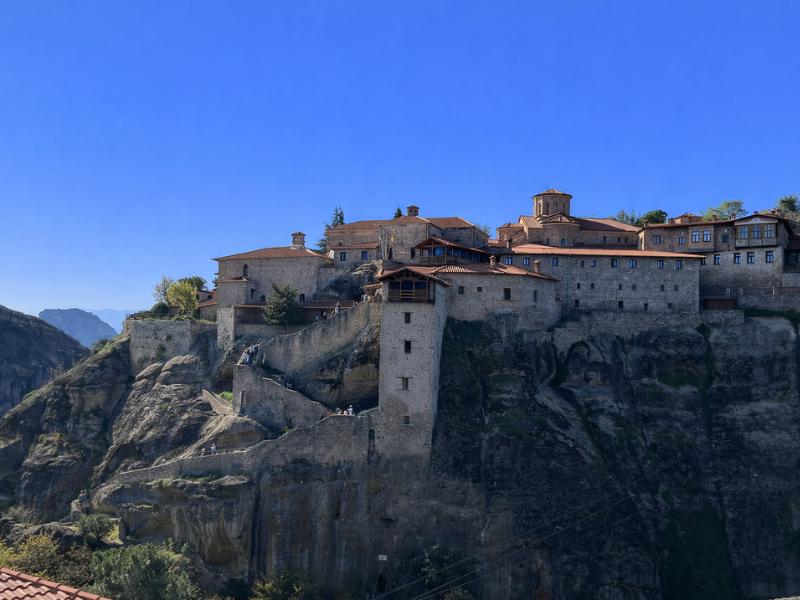
For most travelers coming from Athens, the easiest option is a guided coach tour that departs from Larissa Station at 08:00, handles all transport logistics, and delivers you to the monasteries with a local guide already included. For travelers coming from Thessaloniki, a direct bus to Trikala then Kalambaka is the simplest public transport option. For anyone with a car or rental, driving is the most flexible choice and takes roughly 4 hours from Athens and 2.5 hours from Thessaloniki.
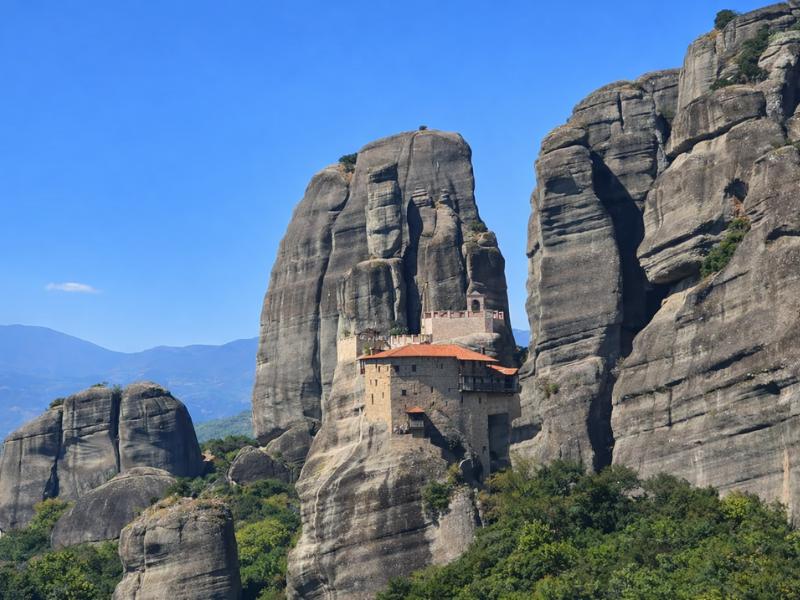
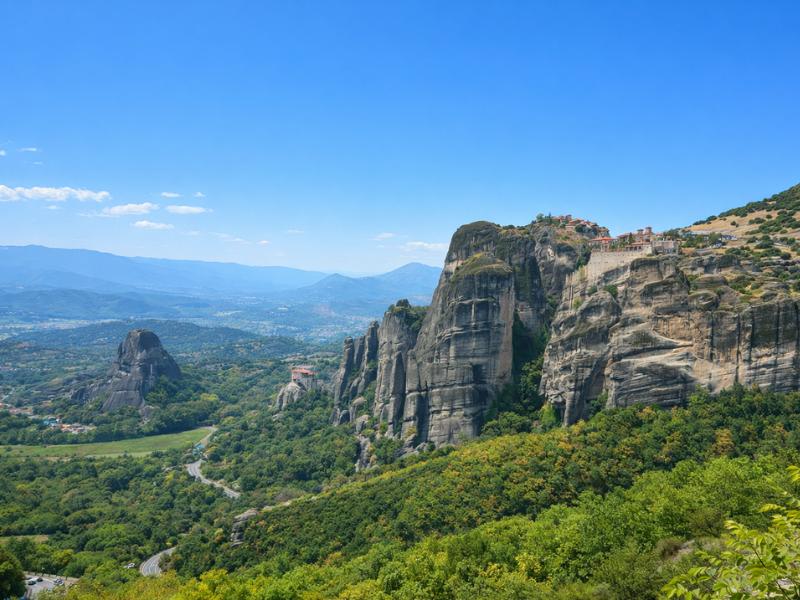
Meteora sits 350 km northwest of Athens and 230 km southwest of Thessaloniki in central Thessaly. There is no airport. There is no ferry. Getting here requires ground transport in one form or another, and the most direct option, the train, has been suspended since September 2023 when floods damaged the Palaiofarsalos-Kalambaka rail segment. That suspension changes the calculus for most travelers significantly.
The question of “easiest” depends on what you value. A guided tour from Athens handles every decision for you: departure timing, the drive, the monastery sequence, the guide, and the return. It costs more than a public bus. It costs far less than you’d pay to get the same result independently. For a solo traveler or a couple visiting Meteora once in their life, the guided coach tour is the honest best choice. For a group of four with a rental car who want to set their own schedule, driving is the honest best choice. The KTEL public bus sits in the middle: cheaper, slower, and requiring more planning.
Questions about which option suits your specific situation? Our team at Meteora Tours has been navigating this for travelers since 2009 and can match you to the right approach.
The logistics here can catch people off guard. This breakdown on how to visit Meteora tours covers transport, timing, and which sites are worth the climb.
Explore an Athens return trip that combines coach travel with local guiding and monastery sightseeing, bringing the journey and the visit into one plan.
Can You Still Take the Train from Athens to Meteora?
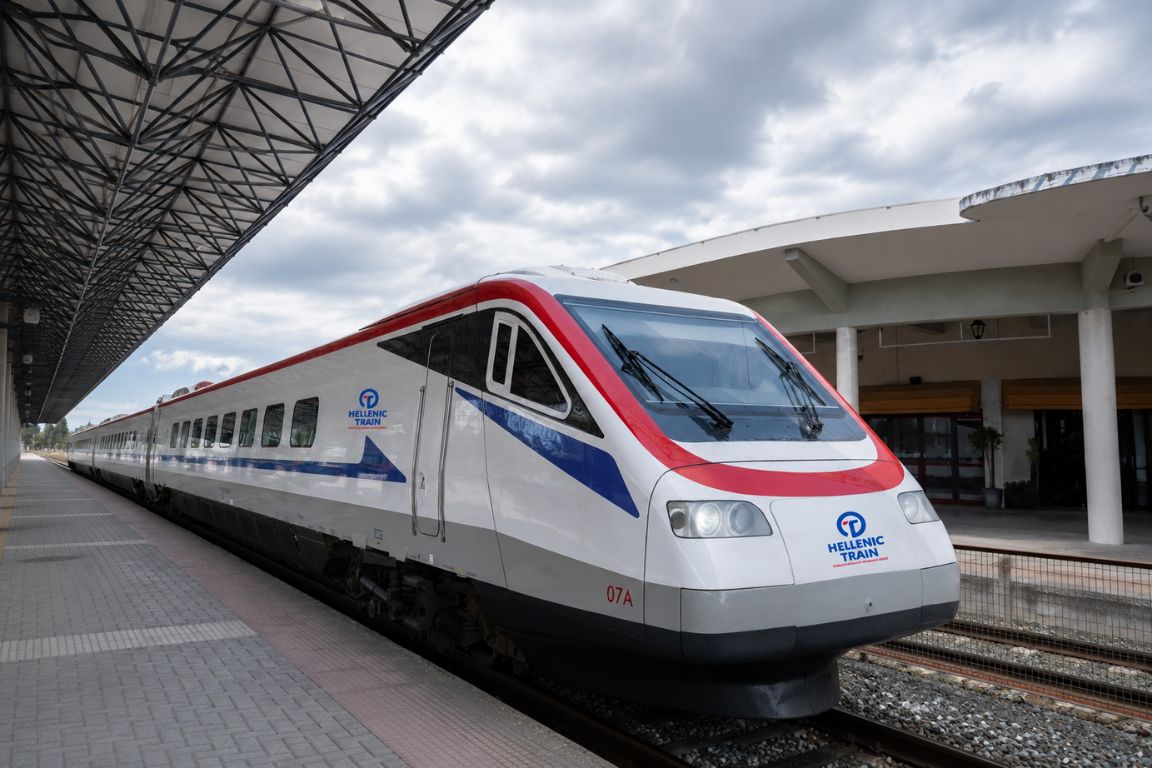 Not directly. The 90 km rail segment between Palaiofarsalos and Kalambaka has been closed since September 2023 when twin storms Daniel and Elias caused severe flooding across Thessaly. Hellenic Train runs a substitute service involving a bus connection at Palaiofarsalos, but this adds significant time and requires two transfers. Direct rail service is not expected to resume before mid-2027. For day trips from Athens, the train substitute is not recommended.
Before the flood damage, the Athens-Kalambaka train was genuinely the best way to travel this route. It left Larissa Station in Athens in the morning, rolled for four hours through the Greek countryside, and deposited you at Kalambaka station with the rock formations already filling the window. It was cheap, scenic, and completely straightforward. That experience is currently not available.
What Hellenic Train does offer: take the mainline intercity train from Athens Larissa Station toward Thessaloniki, disembark at Palaiofarsalos, then take a connecting Hellenic Train replacement bus that stops at Karditsa and Trikala before reaching Kalambaka. Total journey time is approximately 5 to 6 hours each way. For an overnight stay this is manageable. For a day trip from Athens, it turns a 4-hour journey into a 5-to-6-hour one in each direction, leaving almost no time at the site.
The expected timeline for restoration is late 2026 to mid-2027, based on the infrastructure project timeline approved in early 2025 for the 90 km segment. Check the Hellenic Train website (hellenictrain.gr) for current status before planning any trip that depends on direct rail access.
From Thessaloniki, the rail situation is better. Direct trains run from Thessaloniki to Kalambaka (when the Kalambaka segment is open for traffic from the north) in approximately 3 to 4 hours. Check current schedules at hellenictrain.gr, as timetables vary by day and some weekday services operate better than others.
Thinking about making the trip from the capital? Here’s everything you need to know about a Meteora day trip from Athens before you book anything.
Check your date before arranging a separate rail connection. This Athens tour uses return coach travel and includes local sightseeing at Meteora.
How to Get to Meteora by Bus (KTEL)
KTEL remains a DIY option requiring both the Athens–Trikala journey and the onward Kalambaka connection. Review the practical trade-offs between an organized day trip and independent travel.
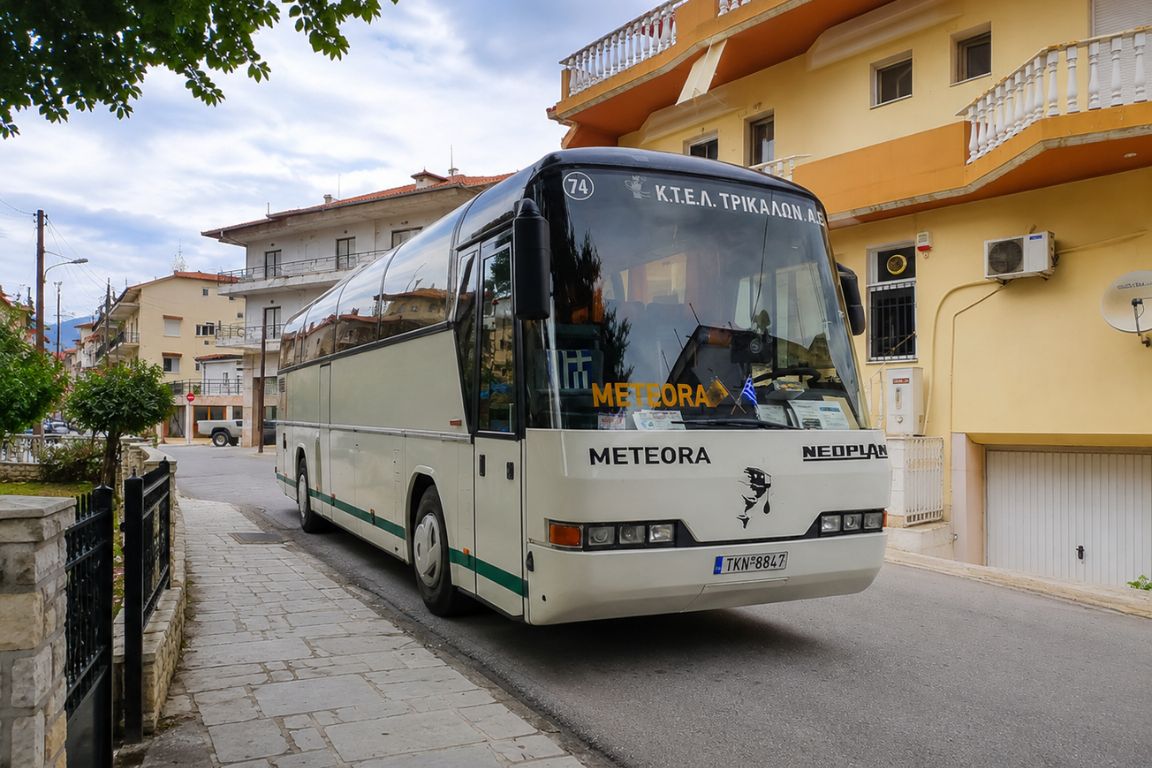 The KTEL public bus is the cheapest way to reach Meteora independently from Athens. Take a KTEL Trikala bus from Liosion Bus Terminal (Terminal B) in Athens to Trikala, then a local connecting bus to Kalambaka. The Athens-Trikala leg takes about 4.5 hours; Trikala-Kalambaka adds another 30-40 minutes. Total journey including the transfer is 5 to 6 hours. One-way tickets cost approximately €29-€35. Buy at the Liosion terminal or online at ktel-trikala.gr.
The KTEL system in Greece works by prefecture: each region has its own bus company, and they don’t share terminals or booking systems. For Meteora, you want KTEL Trikala because Meteora falls in the Trikala regional unit. This is not obvious from the station layout at Liosion, which handles multiple KTEL companies. Go to the KTEL Trikala counter specifically.
Getting to Liosion Terminal from central Athens: take the Metro to Attiki Station (Green Line) then either walk about 15 minutes north to the terminal at 260 Liossion Street, or take a short taxi (€5-€8). Do not go to Kifissos Terminal, which handles destinations in the Peloponnese and western Greece, not Thessaly.
A critical 2026 update: Athens has been planning to consolidate Kifissos and Liosion terminals into a single new central bus station in the Eleonas district near Eleonas Metro Station. Construction began in 2024 with an operational target of 2026. Verify the current departure point before your trip, as this changeover could shift where KTEL Trikala buses depart from.
| 1. Get to Liosion Terminal | Metro to Attiki (Green Line), then 15-min walk or €5 taxi to 260 Liossion St. Or bus 024 from Omonia Square. |
| 2. Buy KTEL Trikala ticket | At the counter or online at ktel-trikala.gr. Athens to Trikala ~€27-€35. Buses run several times daily from ~07:00. |
| 3. Ride Athens to Trikala | ~4.5 hours. Air-conditioned coach, comfortable, with a rest stop. Arrives Trikala Bus Station. |
| 4. Transfer Trikala to Kalambaka | Local KTEL bus from Trikala Bus Station to Kalambaka, ~30-40 min, ~€2-€3. Check connection timing before you go. |
| 5. Arrive Kalambaka | Bus drops at Kalambaka Bus Station, 5-10 min walk to most hotels. Train station nearby for onward journeys. |
The KTEL bus is fine. It’s slower than a guided coach and involves more logistics, but it works and it’s cheap. The main practical limitation for day-trippers: the total journey time (5-6 hours each way) leaves very little time at the monasteries. It works best for travelers spending one or more nights in Kalambaka, where the return journey doesn’t eat into the day.
Recommended tours by season
Early Morning Meteora Tour – Small Group with Local Guide
Four hours with a local guide, starting before the mid-morning rush. The useful choice in July and August, when the circuit road and parking fill after 10:00.
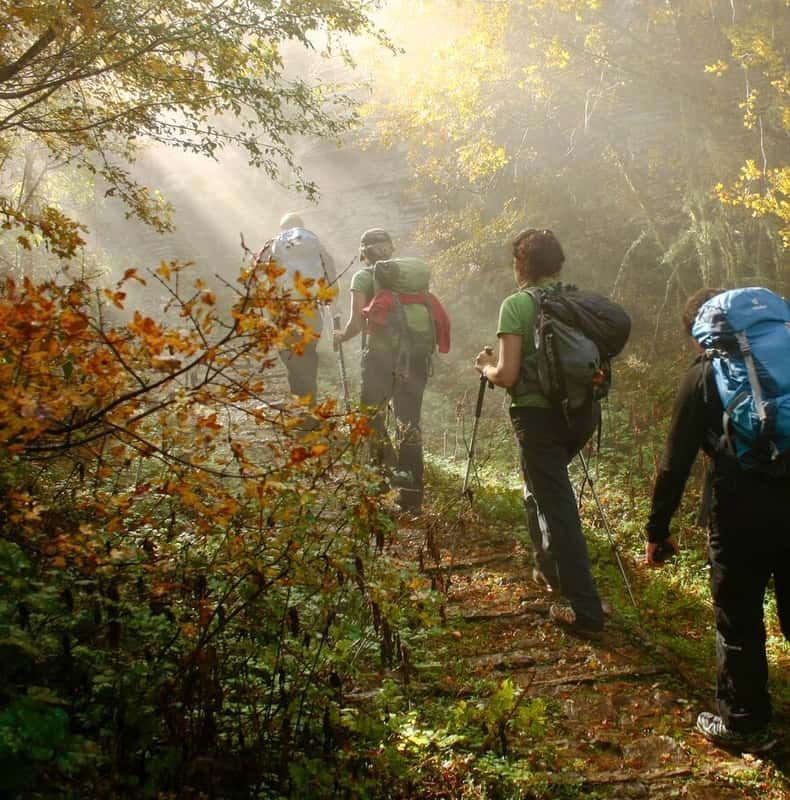
Small-Group Meteora Hiking Tour from Kalambaka – Transfer & Monasteries
A four-hour hike from Kalambaka with transfer and monastery visits included. Suited to cooler months, when walking the paths is more comfortable than in midsummer.
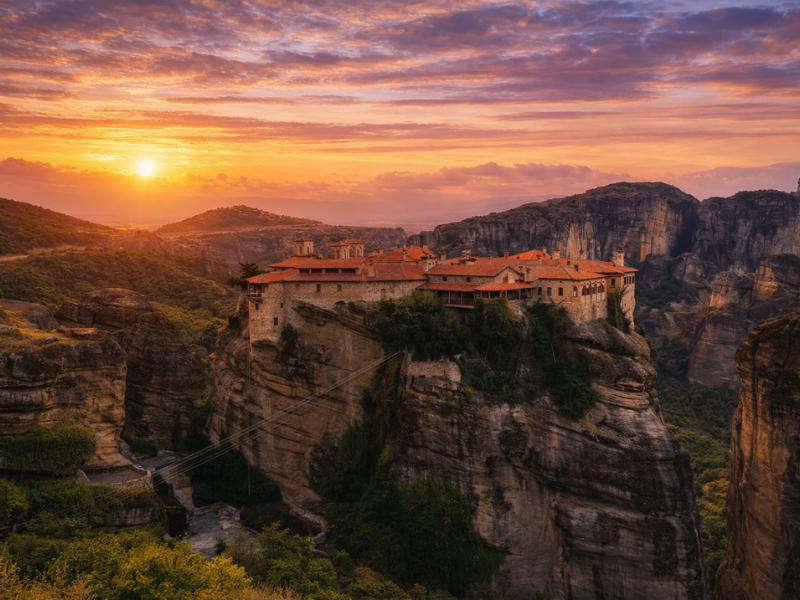
Small-Group Meteora Sunset Tour – Monasteries Glow & Hermit Caves
Four hours in the late afternoon: a monastery, the hermit caves, and a sunset viewpoint. Works year-round if you are already staying overnight in Kalambaka or Kastraki.
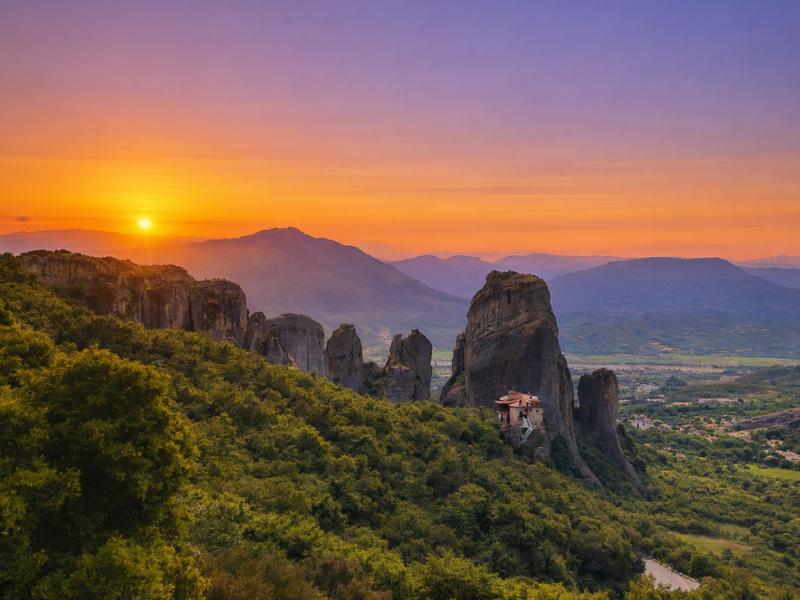
2-Day Meteora Experience from Athens – Sunset, Sunrise & Hotel Stay
Coach from Athens with a hotel night in Kalambaka, plus sunset and sunrise. The format that still works when winter daylight is too short for a same-day return.
How to Get to Meteora on a Guided Tour from Athens
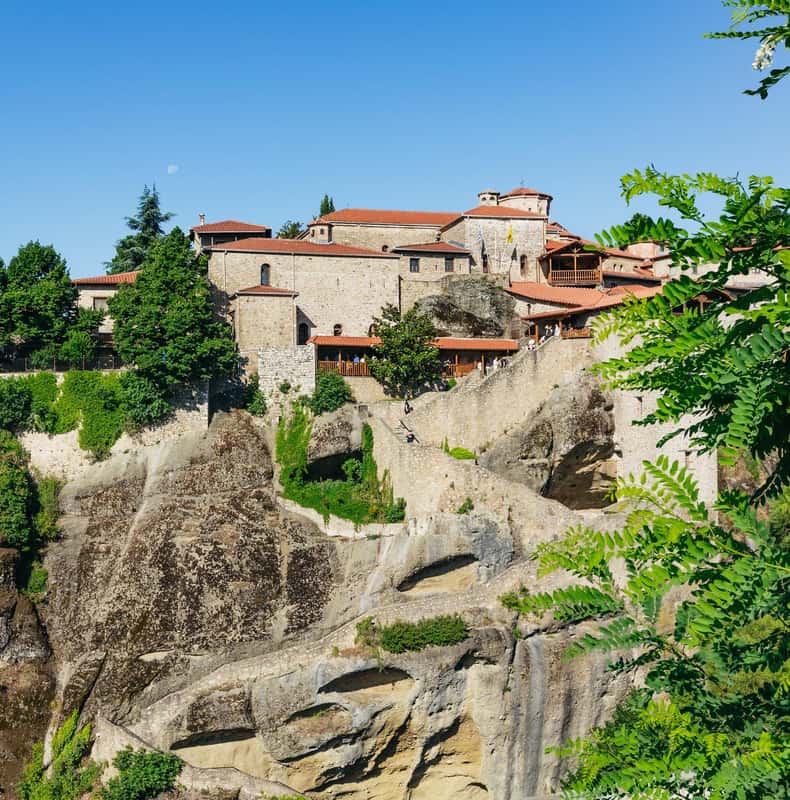
Discover a guided day with panoramic stops and time inside three monasteries. Return coach travel links Athens with the local Meteora itinerary.
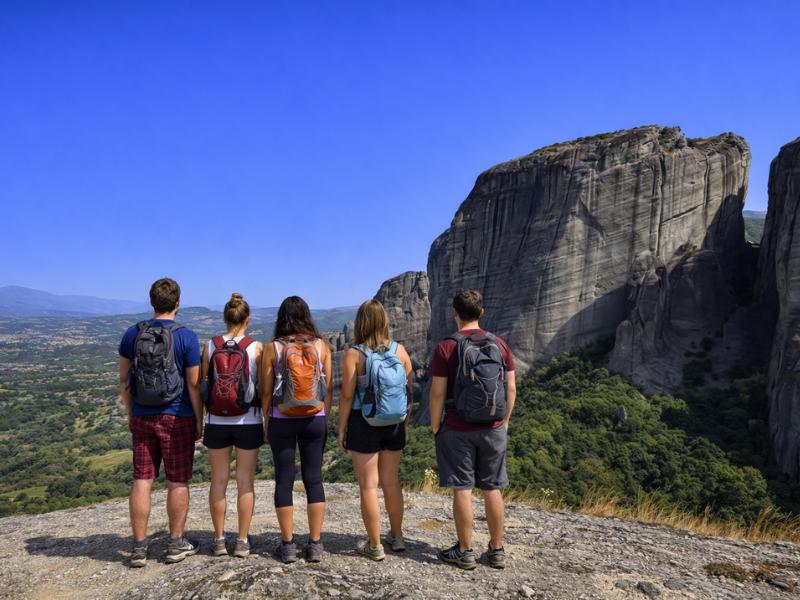
A guided coach tour from Athens is the most popular option and, for solo travelers or couples, often the most cost-efficient once you account for what’s included. Tours depart at 08:00 from Deligianni Street opposite Larissa Station, arrive in Kalambaka around 12:00-12:30, and include a local guide at the monasteries. Return to Athens around 21:30-22:30. Prices range from €60 for a basic transport-and-guide package to €74 for a full day with hermit caves and stops. Monastery entrance fees (€5 each) are usually extra.
The guided tour earns its price in the things it removes from your day. You don’t manage bus transfers. You don’t figure out which monasteries are open on that specific day. You don’t negotiate parking on a busy summer morning. You don’t choose the restaurant that takes 45 minutes to serve forty people. A good local guide also adds something no amount of independent planning delivers: the knowledge of which window in Varlaam produces the best light for the frescoes in late afternoon, which rock shelf above the valley is accessible and quiet, and what the winch tower was actually used for in concrete historical terms rather than plaque language.
The stops at a coastal village of Kamena Vourla for a rest break and an optional seaside brunch are a feature of the most popular operators’ routes. This is not just tourist padding: breaking the 4-hour drive at roughly the midpoint with a proper coffee stop and sea air genuinely improves the day, and it means you arrive in Kalambaka reasonably alert rather than stiff and tired.
Two-day tours from Athens, which include a night in Kalambaka and a morning guided hike or second monastery session, represent the best value for travelers who can spend two days. The overnight extension adds roughly €105 over a single-day tour and gives you the sunset, the morning mist, and a hiking day that no one-day format can match. We've been running these routes since 2009 and the two-day format is consistently where the most satisfied travelers come from.
We run our own daily service from Athens. See what Meteora Tours offers for your dates.
How to Get to Meteora by Car
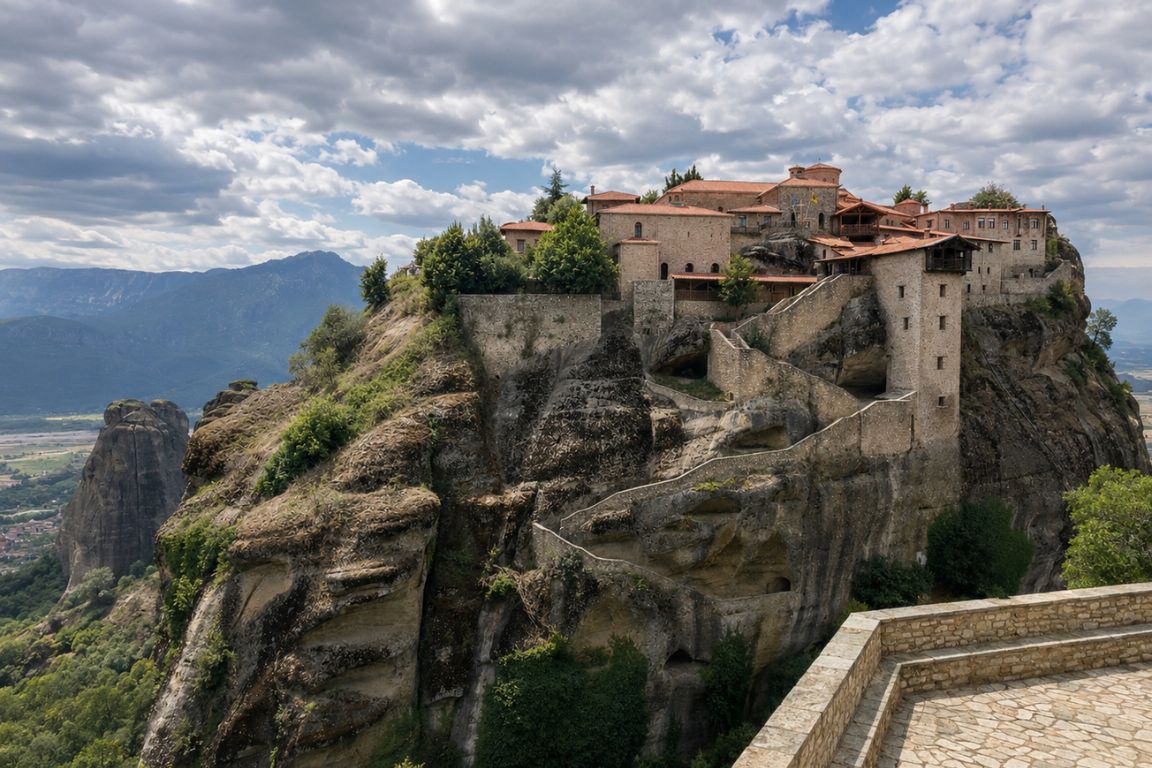 Driving from Athens to Kalambaka takes approximately 4 hours via the E75 motorway north toward Lamia, then the E65 northwest through Trikala. Tolls run approximately €12-€18 each way. The road is in excellent condition and straightforward to navigate with GPS. A car is the best transport option for groups of three or more, for travelers staying multiple nights, and for anyone who wants full scheduling freedom at the monasteries.
The drive itself is worth describing. The first two hours out of Athens cross the flat coastal plain north of the city, past Thebes and Lamia, nothing exceptional. The landscape shifts around Lamia where the road begins climbing toward Thessaly. The final approach to Kalambaka, when the plain opens up and the rock pillars appear ahead and above the town, is one of the better arriving-by-road moments in Greece. The formation doesn’t announce itself gradually. It arrives suddenly from a distance and grows as you close the last few kilometers.
Tolls are straightforward and payable in cash or by card at the booths on the E75. Budget around €12-€18 each way depending on which exits you use. GPS is reliable throughout the route. The road markings are in both Greek and Latin script on the main highways.
Driving at the monasteries: the main monastery circuit road is paved and loops past all six sites. Each monastery has its own small parking area. In peak season (July-August, 10:00-14:00), these fill quickly and cars park along the road itself. Arriving before 09:30 or after 14:00 avoids this almost entirely. The narrow road near Grand Meteoron can be tight when tour buses are moving through; slow down and give them room.
Renting a car in Kalambaka on arrival is also possible if you didn’t drive from Athens. Several rental agencies operate in the town, some near the train station. If you’re arriving by KTEL bus and want a car for the monastery circuit, ask your hotel to recommend a local agency. Trikala, 21 km from Kalambaka, has a wider selection if local options are limited.
Enter your whole-party rental, fuel and toll estimate, then compare it with the total cost of an organized format for the same group.
How to Get to Meteora from Thessaloniki, Delphi, and Other Starting Points
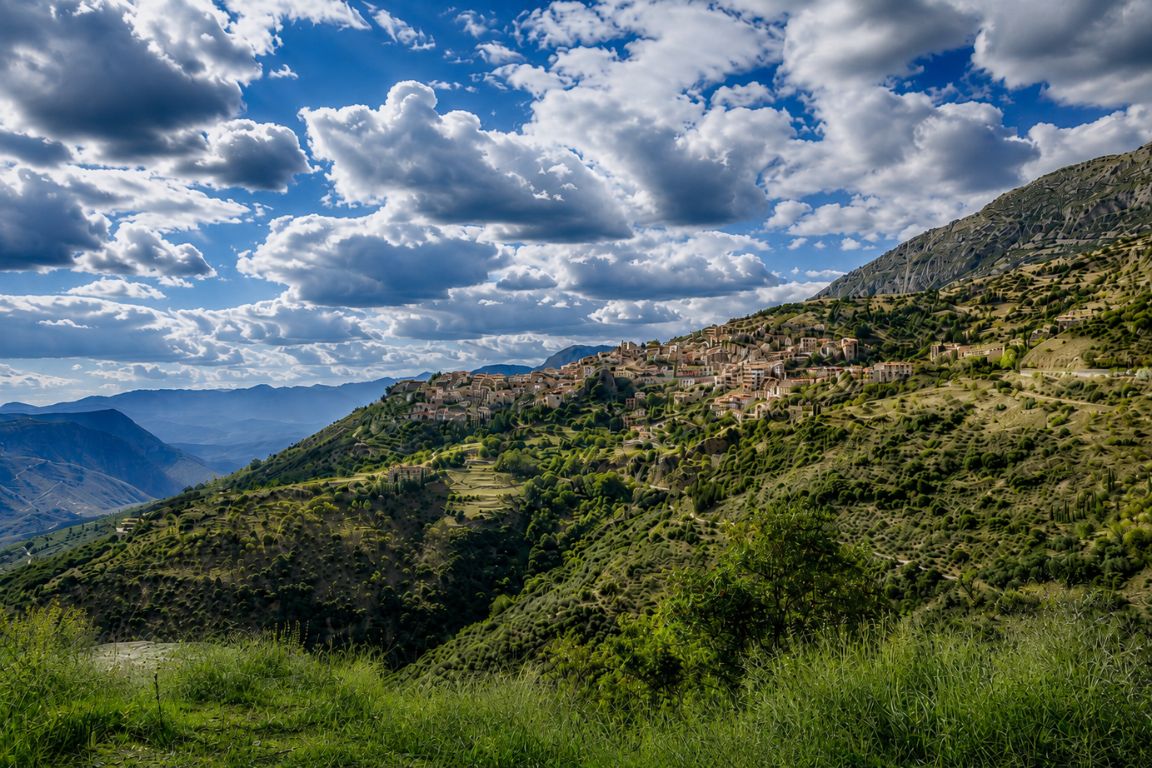 From Thessaloniki, driving takes 2.5 to 3 hours via the Egnatia Odos (A2) west, making it the most practical starting point for a mainland Greece circuit that includes northern Greece. A KTEL bus via Trikala takes 3.5 to 4.5 hours. From Delphi, driving takes 3 to 3.5 hours and a car is the only practical option. From Greek islands, there is no direct connection: fly into Athens or Thessaloniki and continue overland.
Thessaloniki to Meteora is one of the most underrated Greece itineraries. The drive is mostly highway, entirely scenic, and 2.5 to 3 hours is short enough for a comfortable day trip departure at 08:00 or 09:00. Many travelers doing northern Greece combine Thessaloniki (2 nights), Meteora (2 nights), and then either continue south to Delphi and Athens or loop back. The geography works: Meteora is on the direct line between Thessaloniki and central Greece.
For the KTEL bus from Thessaloniki: go to Thessaloniki Macedonia KTEL Bus Station (accessible by public bus line 78 from the airport), take the Trikala-bound service, and transfer at Trikala Bus Station to Kalambaka. The Thessaloniki-Trikala leg takes about 2.5 hours; the Trikala-Kalambaka connection adds 30-40 minutes. Total journey approximately 3.5 to 4.5 hours depending on connection timing.
Delphi to Meteora is a classic pairing on mainland Greece itineraries. There is no meaningful public transport connection between the two; you’d need to return to Athens and reroute, adding most of a day. By car, it’s a 3 to 3.5 hour drive of about 230 km, crossing the Thessaly plain and the southern Pindus range. The road through the mountains on the E65 is well maintained but winding in places. Allow an extra 30 minutes over the GPS estimate. Thermopylae, about halfway along the route, makes a good stop: the Leonidas monument is roadside and takes 15 minutes.
| Athens | ~350 km | ~4 hrs | ~5-6 hrs (via Trikala) | E75 north → E65 northwest |
| Athens Airport | ~335 km | ~3.5-4 hrs | Metro to Liosion then bus | A1 north → E65 northwest |
| Thessaloniki | ~230 km | ~2.5-3 hrs | ~3.5-4.5 hrs (via Trikala) | A2 west → E65 south |
| Delphi | ~230 km | ~3-3.5 hrs | Not practical (via Athens) | E65 north via Lamia |
| Greek Islands | Varies | Fly to ATH or SKG first | No direct connection | ATH or SKG then overland |
From the Greek islands, there is no shortcut. Meteora is inland and there are no ferry or direct flight connections to it. Fly into Athens or Thessaloniki, then travel overland. Athens Airport to Meteora by private transfer takes 3.5 to 4 hours; by metro to Larissa Station then the current replacement train/bus service it’s 5 to 6 hours. If you’re island-hopping and want to add Meteora, the most efficient routing is to include it at either the beginning of your Greece trip (arriving at Athens or Thessaloniki and going straight to Meteora before the islands) or at the end.
Not sure which one to prioritize with limited time in Greece? This breakdown of Meteora vs Delphi covers what each site actually offers and who each one is better suited for.
Your workable format depends on whether you start in Athens, Thessaloniki, Delphi or after an island flight. Choose an origin-compatible format before planning the final monastery loop.
How to Get Around Meteora Once You Arrive
Check the morning tour for your date before booking separate local rides. Pickup in Kalambaka or Kastraki and minibus travel between stops are included.
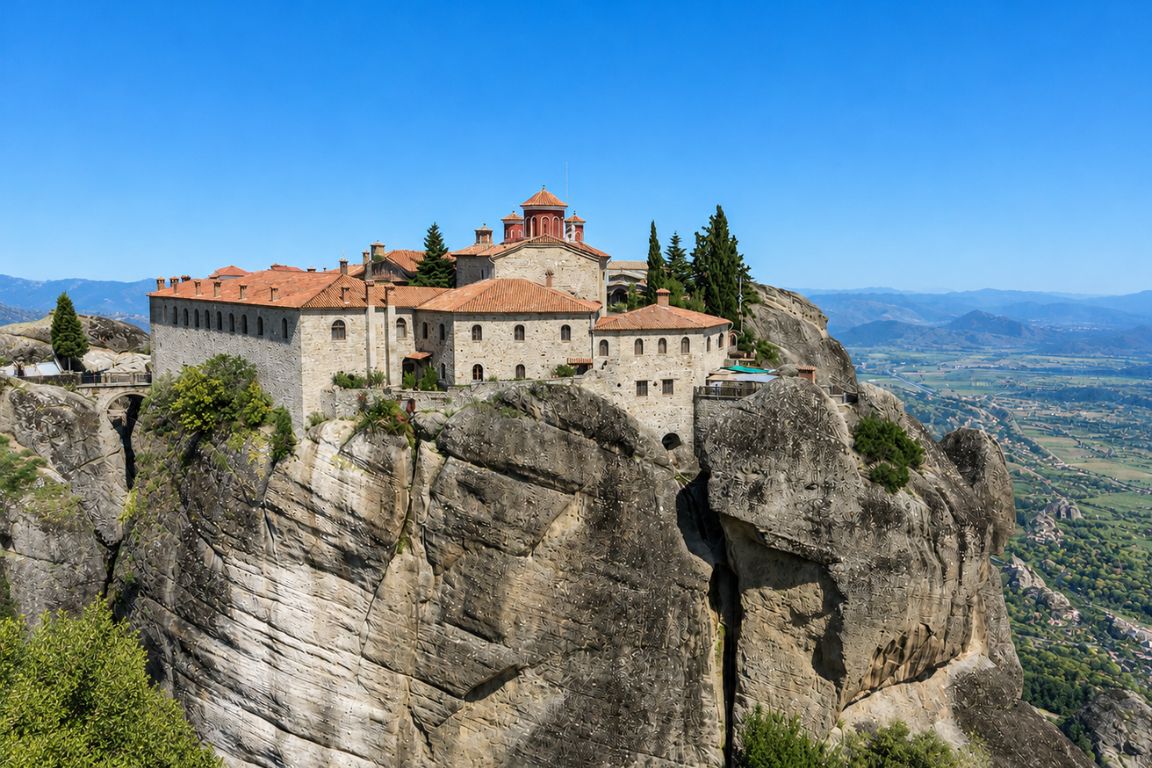 Once in Kalambaka or Kastraki, the six monasteries are reached by car, local taxi, guided minibus tour, or on foot via the ancient trail network. The monasteries sit on a single loop road approximately 6 km from the town center. A rental car gives maximum flexibility. Taxis cost €5-€7 per monastery trip. The local KTEL monastery bus runs seasonally from Kalambaka Bus Station for €1.60 one way. Walking the full circuit takes 4-5 hours.
The monastery road is one paved loop with a few side roads. Getting lost is genuinely difficult. Each monastery has its own small parking area clearly signed from the main road. The distance between the furthest-apart monasteries (St. Stephen’s in the east and Grand Meteoron in the west) is about 5 km by road. Driving the entire loop takes 20-25 minutes without stopping. This compactness means a rental car is very manageable for anyone comfortable with winding roads.
Taxis from Kalambaka to the monasteries are a good option for travelers without a car who want flexibility. The taxi rank is near the main square. Agree a price before getting in: a fixed rate for a multi-monastery circuit (three to four monasteries) runs approximately €30-€50, significantly more cost-efficient than individual trips. If you want the driver to wait while you visit, agree that in advance too. There is no Uber or Bolt in Kalambaka.
The local KTEL monastery bus runs from Kalambaka Bus Station up to the monastery road and back. According to the KTEL Trikala schedule, it departs from Kalambaka at 09:00, 10:45, 12:15, and 14:45 in season, with return departures from St. Stephen’s Monastery at 11:25, 13:20, and 16:00. Tickets are €1.60 one way. The bus stops at each monastery in order. It’s the cheapest way to reach the monasteries without a car, but the schedule is infrequent and it’s not a hop-on hop-off service: departures from each stop are timed to the circuit, not to your visit pace.
Walking: the trail network connecting Kastraki, the hermit caves, and the monasteries is described in our hiking guides. For the monasteries specifically, the road from Kastraki to St. Nicholas Anapafsas takes about 30-45 minutes on foot. The full monastery circuit on foot covers about 18 km and takes 5-6 hours including monastery visits.
We’ve got a full breakdown on which Meteora monasteries are best to visit if you want to know exactly which ones are worth the climb and which you can skip.
Which Transport Option Is Right for You?
Choose the guided coach tour from Athens if you’re traveling solo or as a couple on a day trip, want zero logistics, and are visiting for the first time. Choose the KTEL public bus if you’re budget-conscious, staying overnight, and don’t mind the longer journey and transfer. Choose a rental car if you’re in a group of three or more, staying at least two nights, or want full scheduling freedom. Choose the Delphi-Meteora-Athens mainland circuit if you have a car and want two of Greece’s most extraordinary UNESCO sites in one road trip.
One pattern worth noting from seventeen years of guiding travelers here: the people who arrive the most relaxed and leave the most satisfied are almost always the ones who made the transport decision two weeks before the trip rather than two days before. The guided coach tours fill in summer, especially Saturdays. The best Kastraki hotels book up months in advance. Transport and accommodation are the two variables that reward early planning more than any other part of a Meteora trip.
| Solo traveler, day trip from Athens | Guided coach tour | Zero logistics, guide included, cost-efficient per person |
| Couple, day trip from Athens | Guided coach tour or rental car | Tour is simpler; car is faster but doubles cost |
| Group of 3-4, overnight stay | Rental car | Cost splits well; maximum flexibility at monasteries |
| Budget traveler, staying 2+ nights | KTEL bus | Cheapest option; longer journey is fine with overnight stay |
| From Thessaloniki | Car or direct bus | Short enough for day trip; bus is economical |
| Mainland circuit (Delphi + Meteora) | Rental car | No practical public transport between Delphi and Meteora |
| Family with young children | Private transfer or rental car | Flexibility on timing; no coach group schedule to follow |
| Arriving from Greek island | Fly to Athens, then guided tour or car | No direct connection from islands; overland from ATH is simplest |
Match your origin and trip length to a same-day, overnight or locally starting format. Keep the independent branch if driving or KTEL better fits your itinerary.
How Our Travelers Get Here: Patterns from 14,400+ Guided Visits
| % arriving by guided coach from Athens | ~52% |
| % arriving by rental car or private transfer | ~31% |
| % arriving by public bus or train | ~12% |
| % arriving from Thessaloniki | ~18% |
| Most cited transport regret | “Wish we’d had a car at the monasteries” (day-trippers by guided bus) |
| Most cited transport win | “Guide handled everything, we just arrived” (guided tour travelers) |
Explore three monastery interiors and panoramic stops with an English local guide and minibus transfers from your Meteora accommodation.
Frequently Asked Questions
Use the answers below for route-specific details, or choose a trip format if you still need to decide between a day trip, an overnight stay and a local tour.
Is there a direct train from Athens to Meteora?
No, not currently. The Athens-Kalambaka rail segment has been closed since September 2023 due to flood damage. A substitute service runs via Palaiofarsalos with a bus transfer, adding 1-2 hours to the journey. Direct train service is not expected to resume before mid-2027. Check hellenictrain.gr for current status.
Check the Athens coach departure before committing to separate train connections. The return trip combines the long-distance journey with local monastery sightseeing.
What is the cheapest way to get to Meteora from Athens?
The KTEL public bus from Liosion Terminal to Trikala, then a local bus to Kalambaka, costs approximately €29-€35 one way and takes 5-6 hours including the transfer. This is the cheapest independent option. The train substitute route (via Palaiofarsalos) is slightly cheaper but longer.
Include both bus legs and any terminal transfer in your independent total, then compare that amount with the complete cost of another format for your party.
How long is the drive from Athens to Meteora?
Approximately 4 hours via the E75 motorway north to Lamia, then E65 northwest through Trikala to Kalambaka. Toll costs run €12-€18 each way. Traffic leaving Athens on weekday mornings can add 30-60 minutes; leaving before 07:00 avoids most of it.
Explore a return coach day from Athens with local transport, guiding and monastery visits included in one itinerary.
Can I get to Meteora from the Greek islands?
There is no direct ferry or flight connection between any Greek island and Meteora. You need to fly into Athens (ATH) or Thessaloniki (SKG) first, then travel overland. Athens to Meteora takes 4 hours by car or 5-6 hours by public bus. Thessaloniki to Meteora takes 2.5-3 hours by car or 3.5-4.5 hours by bus.
Check the two-day Athens departure before fixing your onward itinerary. It adds a sunset tour and another guided morning after you reach Athens independently.
How do I get around the monasteries once I arrive?
By rental car (most flexible), local taxi (€5-€7 per trip; negotiate a circuit rate of €30-€50 for multiple monasteries), seasonal KTEL monastery bus from Kalambaka Bus Station (€1.60 per ride, runs 4 times daily in season), local guided minibus tour, or on foot via the trail network (full circuit ~5-6 hours).
Explore a morning with three monastery visits, photo stops and minibus travel between the formations, starting and ending at your local base.
Is there a bus from Delphi to Meteora?
Not directly. The only public transport link goes via Athens (return to Athens on KTEL, then take the Trikala bus north), which adds most of a day. By car, Delphi to Meteora is approximately 230 km and 3 to 3.5 hours via the E65 north. A car is strongly recommended for anyone combining Delphi and Meteora in the same trip.
There is no direct public-transport solution covered here for travelers already in Delphi. Review the distance and routing context before committing to the drive.
Can I fly into Thessaloniki instead of Athens for Meteora?
Yes, and Thessaloniki is the more efficient gateway specifically for Meteora. The drive from Thessaloniki Airport to Kalambaka takes about 2.5-3 hours, compared to 4 hours from Athens. If your Greece trip focuses on Meteora and northern Greece, flying into SKG and out of ATH (or vice versa) is a well-structured routing.
From Thessaloniki, retain the independent car or KTEL route, or use the selector to see whether a locally starting format fits after you reach Kalambaka or Kastraki.
Not sure which transport option fits your itinerary?
We’ve been answering this question since 2009. Tell us where you’re starting from, how many people, and how many days you have. Michael and the Meteora Tours team will point you straight to the right option.
Written by Michael Angelos
Greek tour guide since 2009 · Founder, Meteora Tours
Michael has guided over 14,400 travelers through the monasteries and rock formations of Meteora since founding the agency.